


About the Internship
The Hillman Internship is the heart of the Prindle Institute for Ethics. Open to DePauw students from all disciplines, the program offers a rigorous experience in ethics education, dialogue, and community engagement. Each year, Hillman Interns work 4–5 hours per week during the academic year, supporting the Institute’s mission to foster ethical reflection and public discussion. They assist with events like the Indiana High School Ethics Bowl, Prindlepalooza, and campus lectures, while also designing and leading programs that bring ethical questions to life for audiences across ages and contexts.
Interns enroll in the quarter-credit Ethics in Action course each fall and collaborate in small groups to create innovative programming for both campus and community:
Examples on campus
Hosting a weekly radio show on ethical issues on campus
Leading a campus discussion on the ethics of voting or space exploration
Organizing “Campus Conscience” conversations that spark reflection among peers
Examples beyond campus
Facilitating case-based discussions with local retirees
Mentoring students preparing for Ethics Bowl competitions
Introducing young learners to moral reasoning through creative, play-based activities
Through this work, Hillman Interns serve as ambassadors for the Prindle Institute—connecting ideas to action, exploring the ethical dimensions of life, and helping build a more thoughtful and engaged community.
The Hillman Experience: Learning Through Action
The Hillman Internship is more than a campus job—it’s a yearlong experience in ethical inquiry, collaboration, and leadership. Guided by the mission of the Prindle Institute, the program helps students connect philosophical reflection with real-world practice. Through coursework, programming, and community engagement, Hillman Interns develop the knowledge, skills, and relationships needed to make ethics a meaningful part of their personal and professional lives.
At its core, the program rests on four pieces:
Build a foundation in ethics education.
Hillman Interns begin by developing a strong academic and practical foundation in ethical theory and moral reasoning. Through coursework, guided reflection, and dialogue with peers and mentors, interns learn to analyze moral questions from multiple perspectives. They gain the confidence to approach complex ethical issues—about justice, leadership, technology, and the common good—with clarity, empathy, and intellectual curiosity.
Apply ethics in programming and outreach.
Working in small groups, interns design and lead programs for campus and the wider community, from discussions and events to creative activities for young learners, turning what they study into something others can take part in.
Support professional growth.
Along the way, interns build practical skills in collaboration, communication, and project design. Hillman Interns go on to pursue careers in law, medicine, public policy, education, and beyond.
Foster community and collaboration.
Interns work alongside peers and mentors who share their curiosity, and form lasting relationships with fellow interns and Prindle Institute staff.
2026-2027 Hillman Interns
This year, 38 DePauw students from a wide range of majors serve as Hillman Interns.
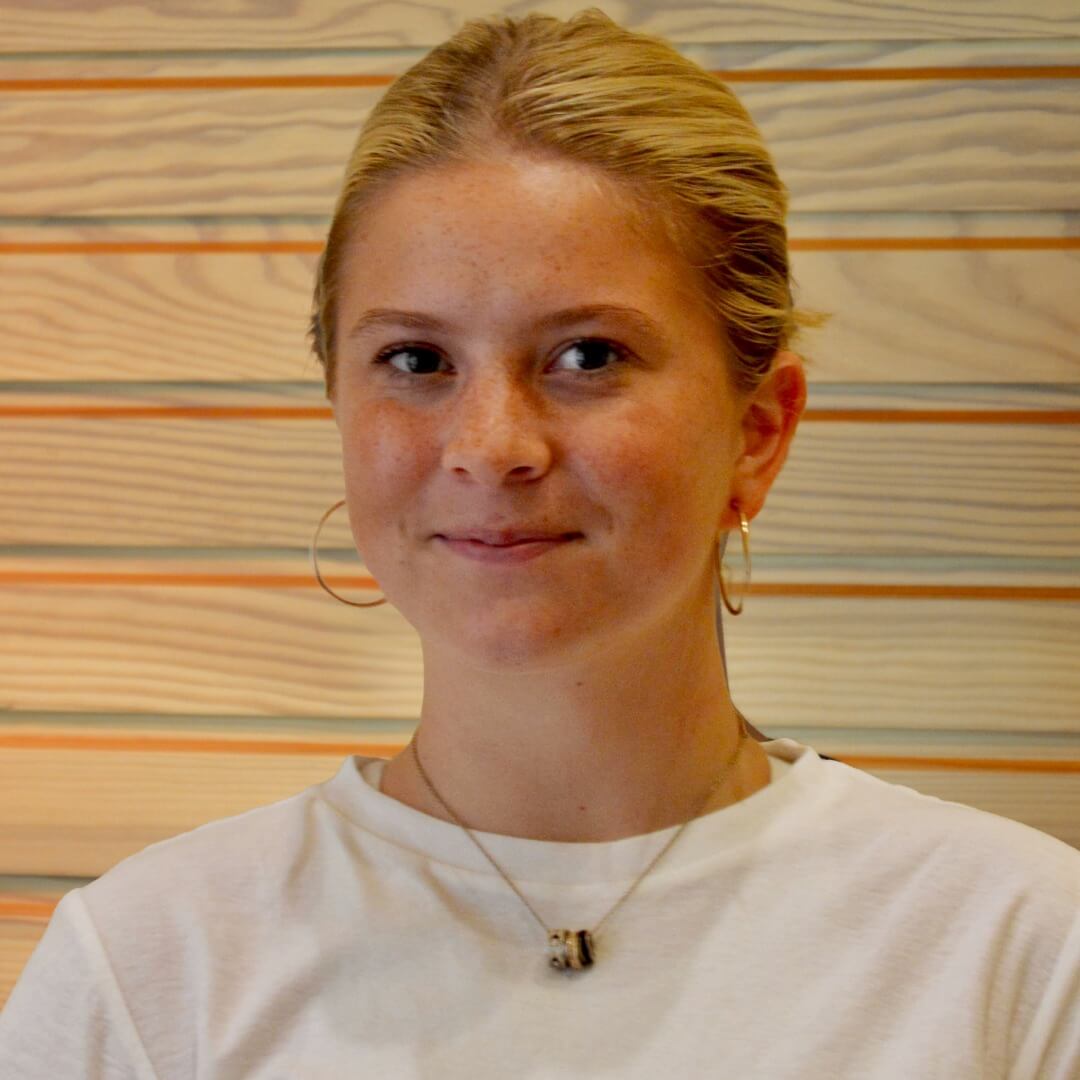
Mya Adams
Philosophy, Politics, Economics
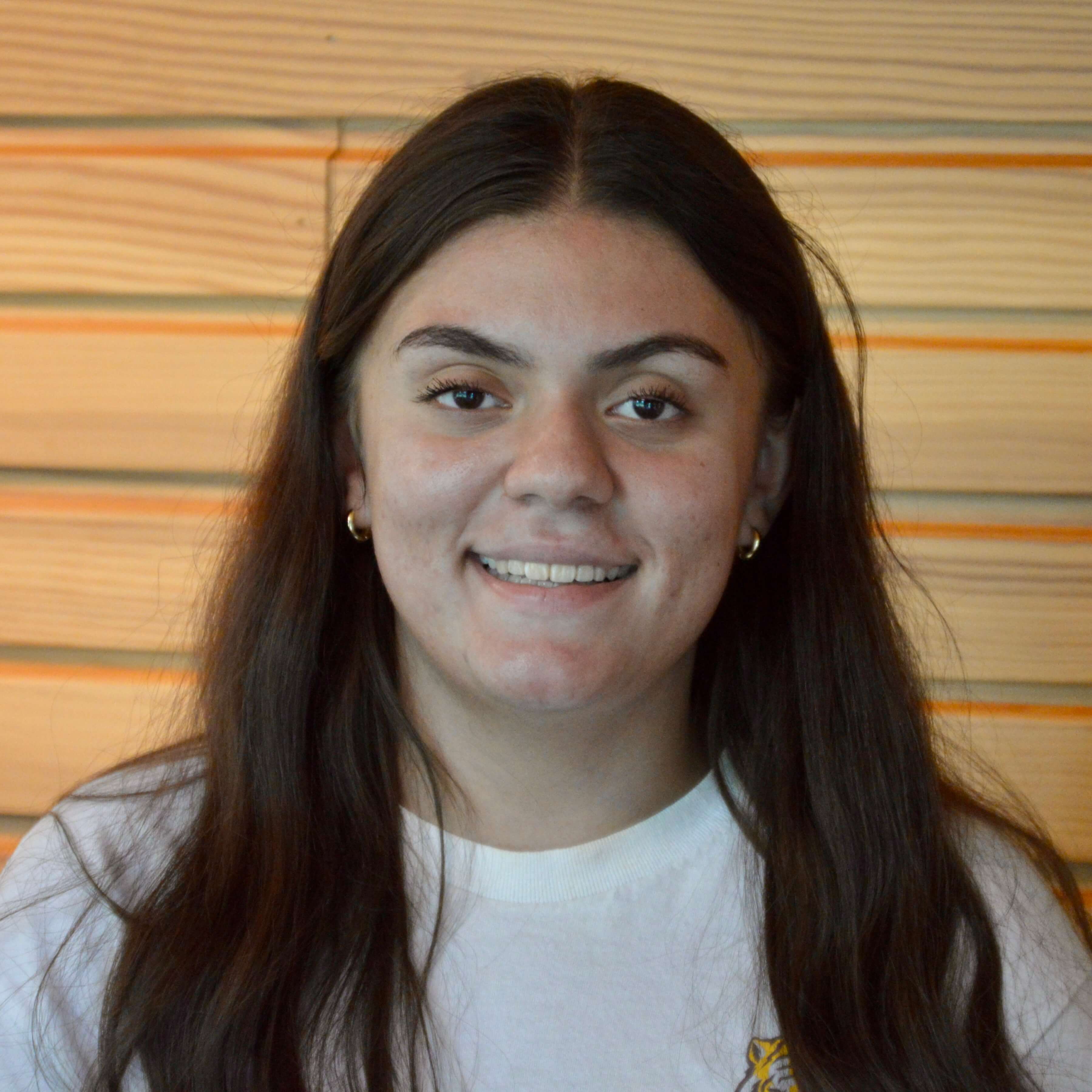
Monzerrat Aquino
Political Science
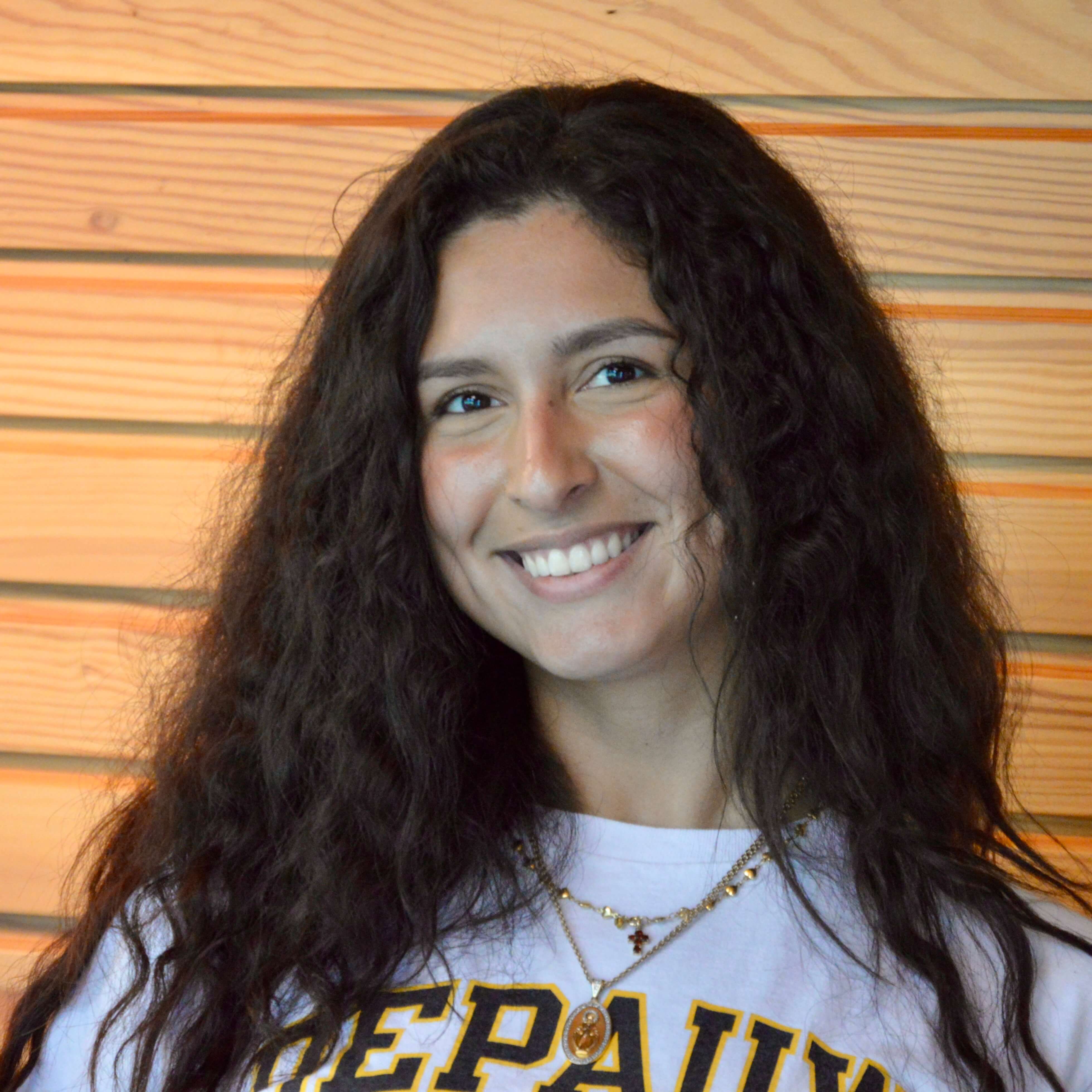
Maria Barrios
Philosophy

Nena Bednar
Economics

Clara Calderwood
Political Science
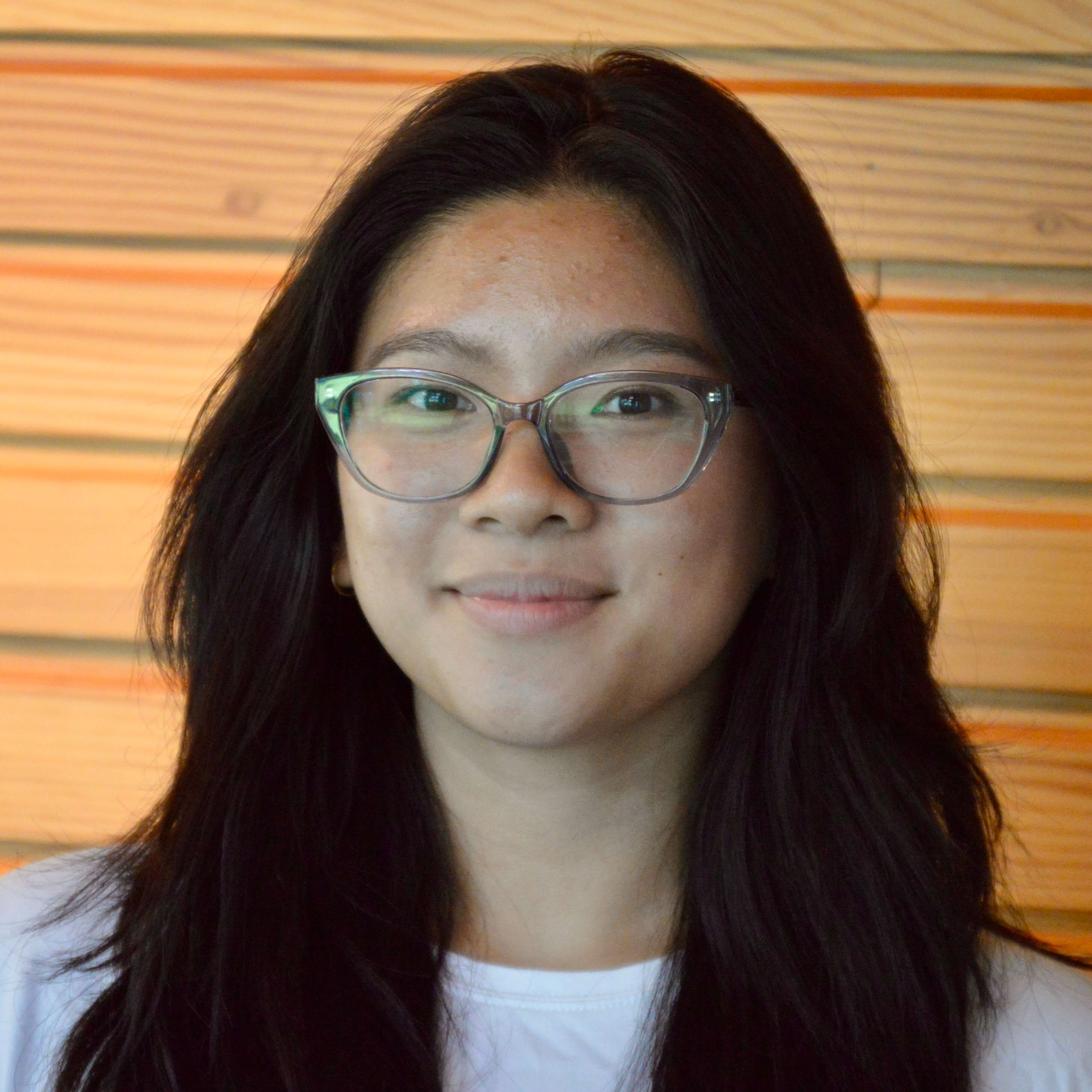
Emma Do
Global Health
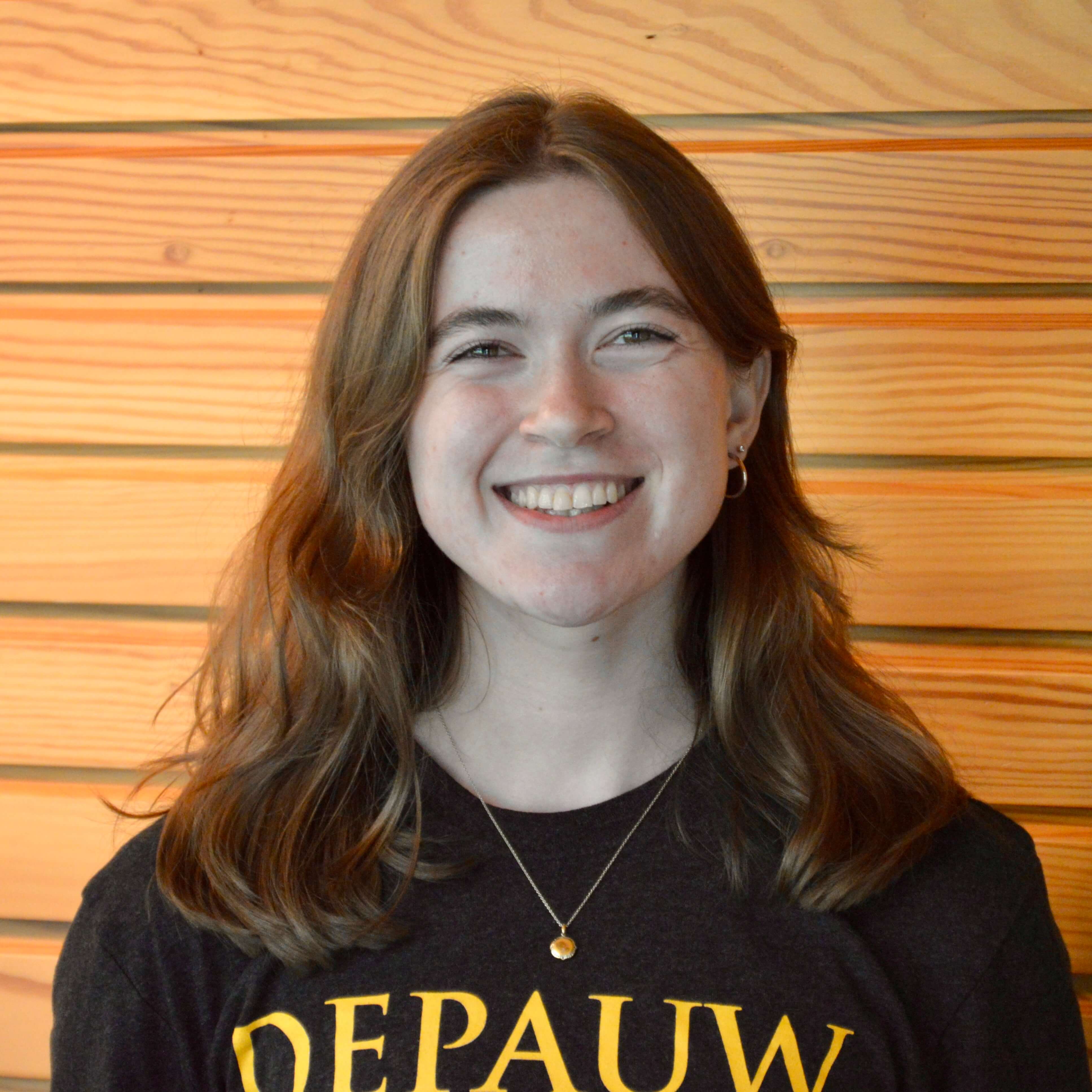
Annie Esterline
Political Science

Declan Fink
Communication
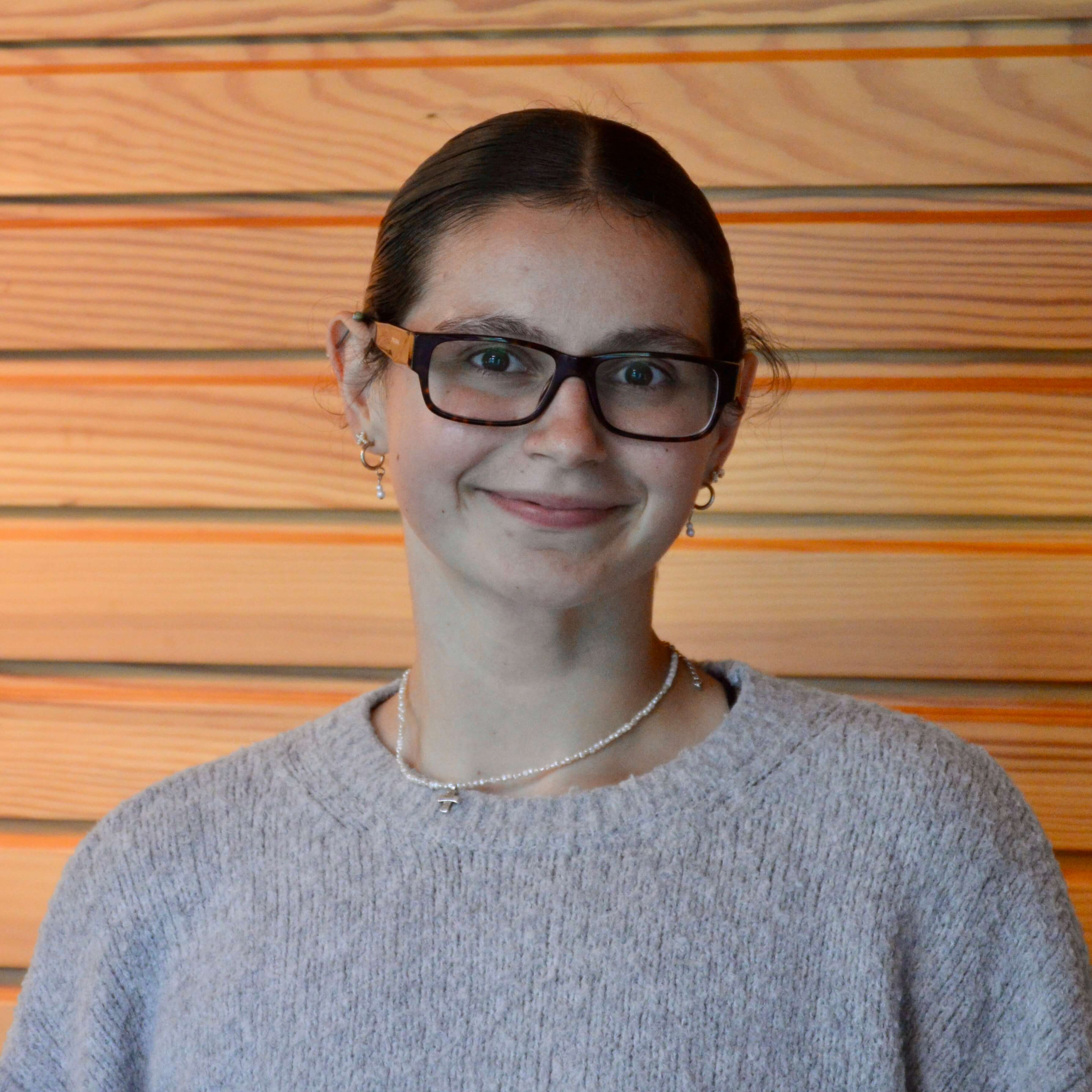
Cora Gibson
Environmental Geoscience

Carson Goodie
Political Science
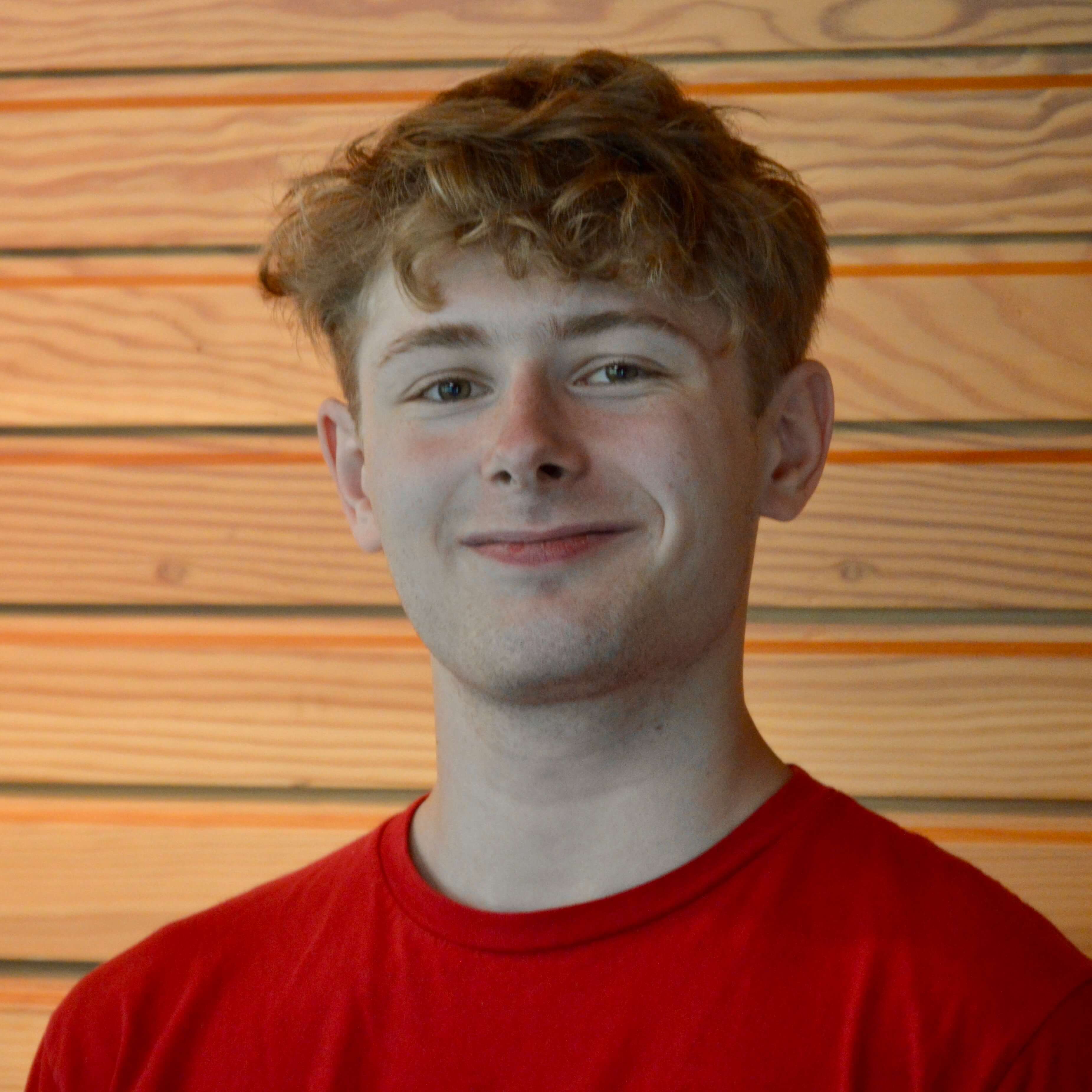
Joshua Grossman
Philosophy
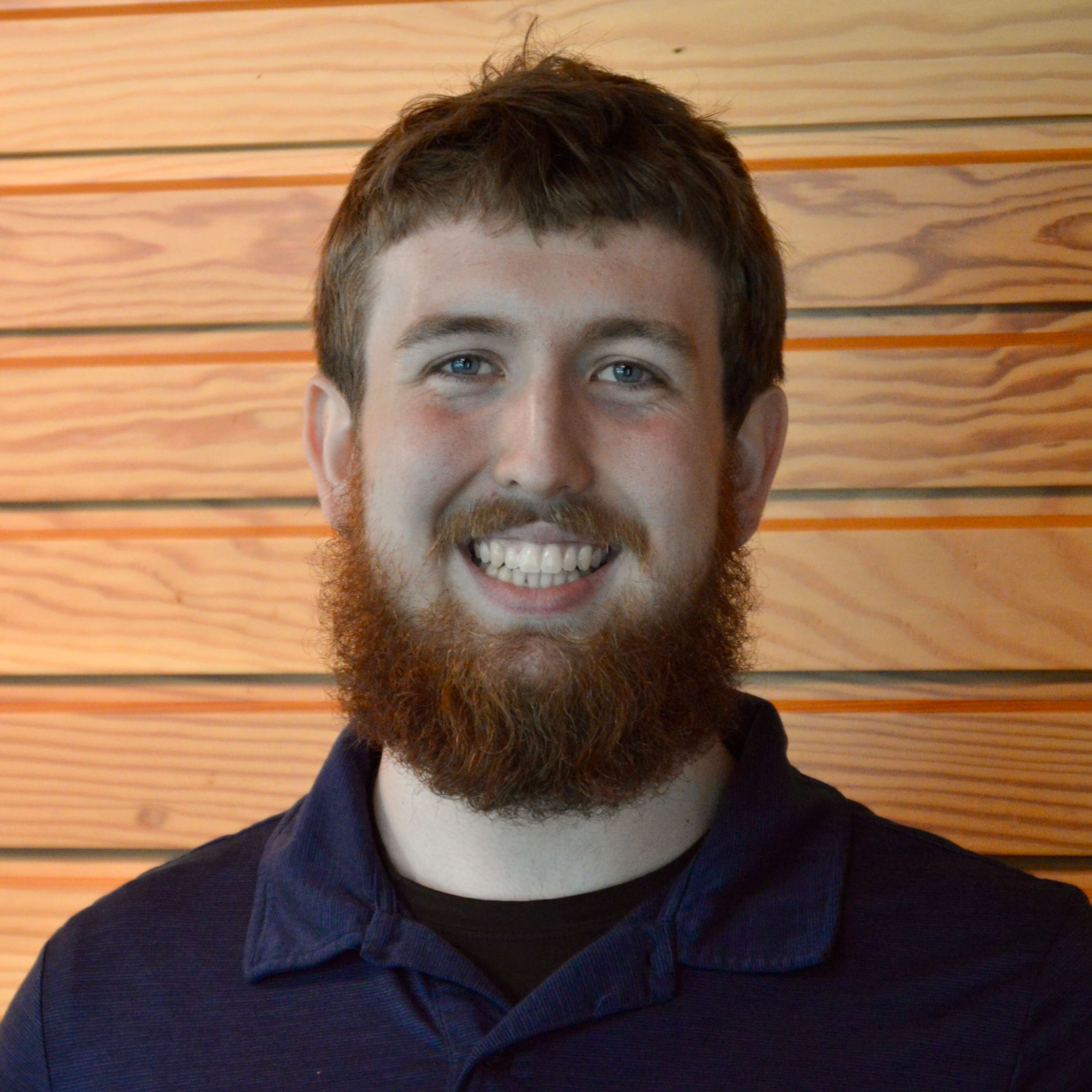
John Gunderman
Biochemistry
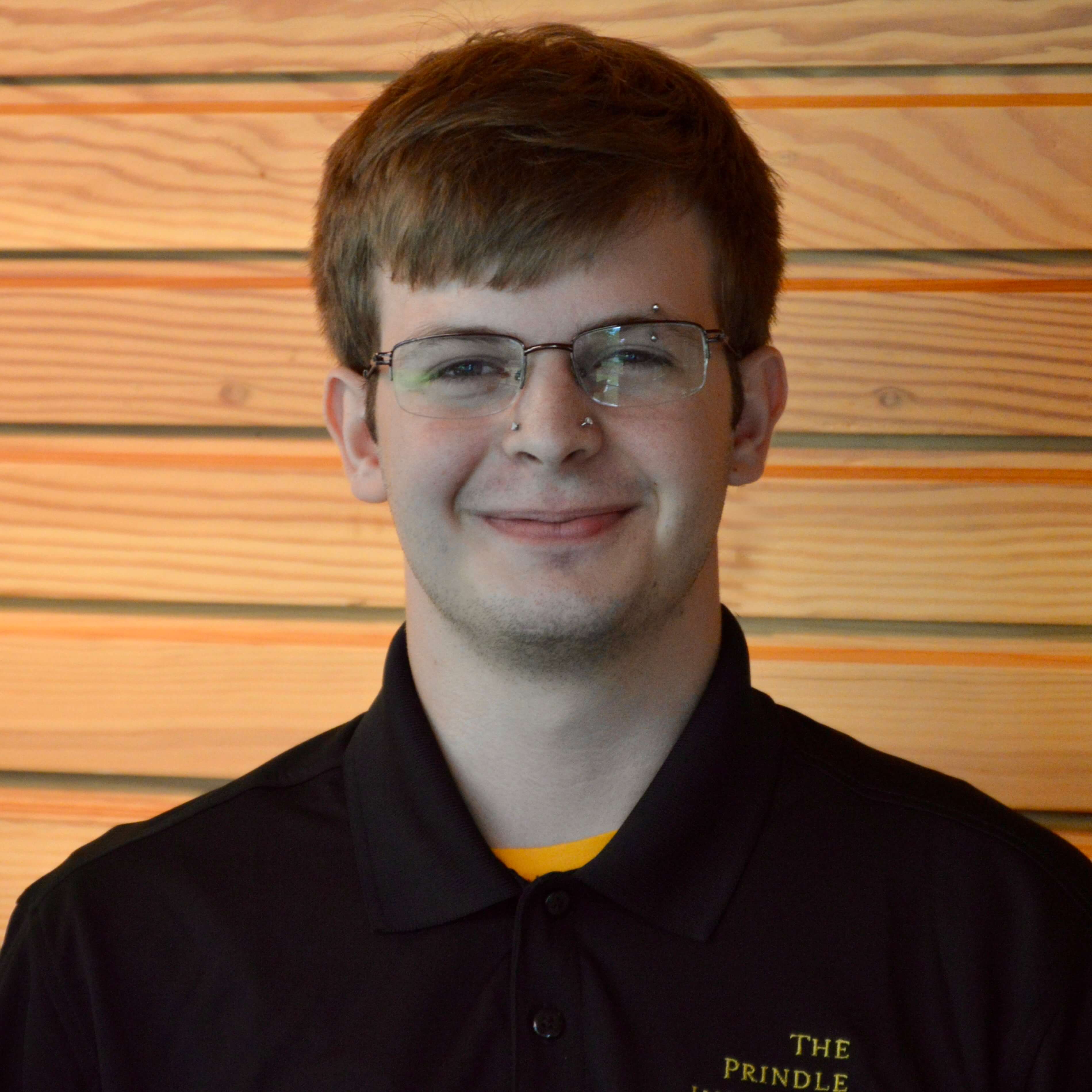
Jordan Heaviland
Creative Writing, Philosophy

Sophia Hulen
Communication
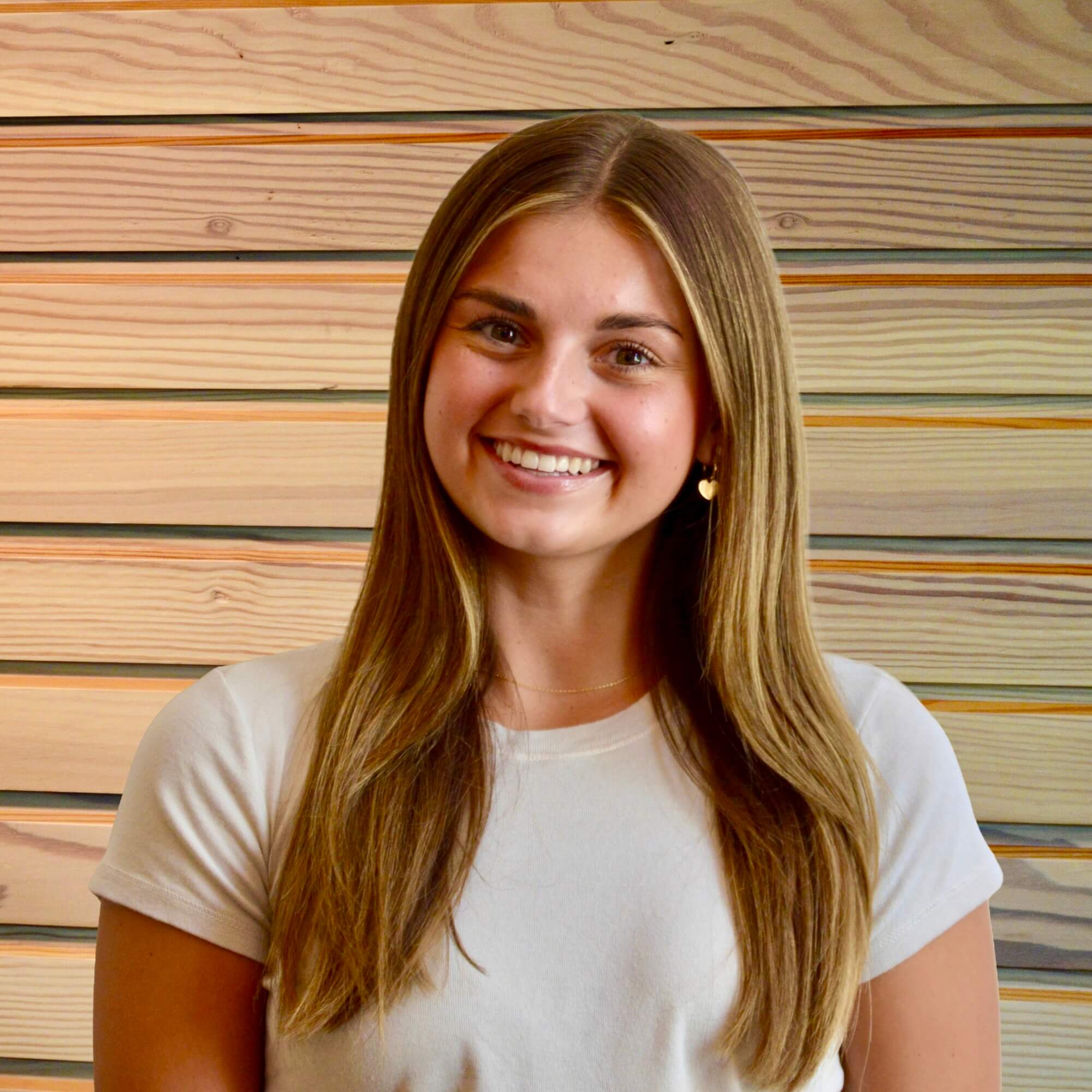
Lillian Jensen
Communication
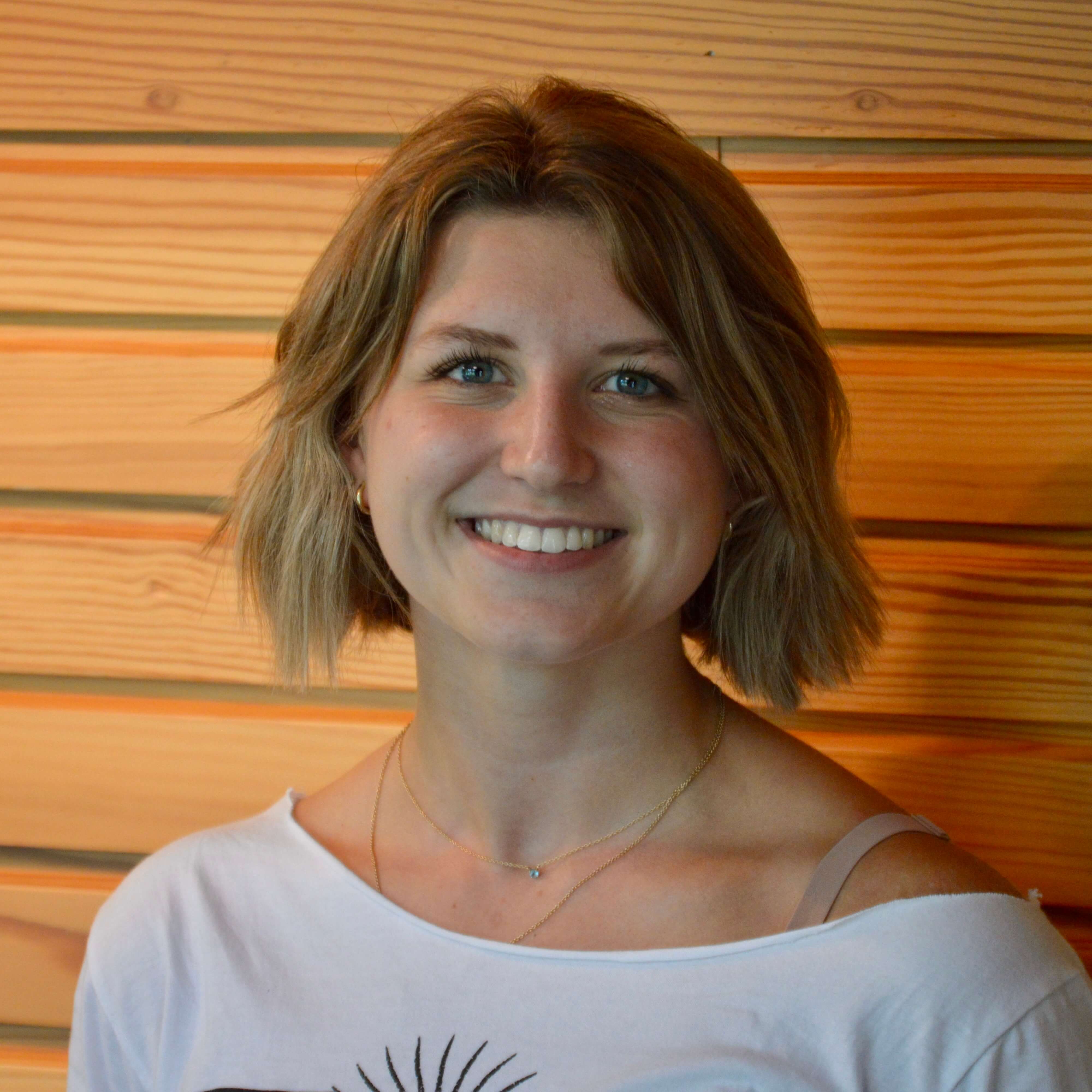
Gabrielle Johnson
Political Science
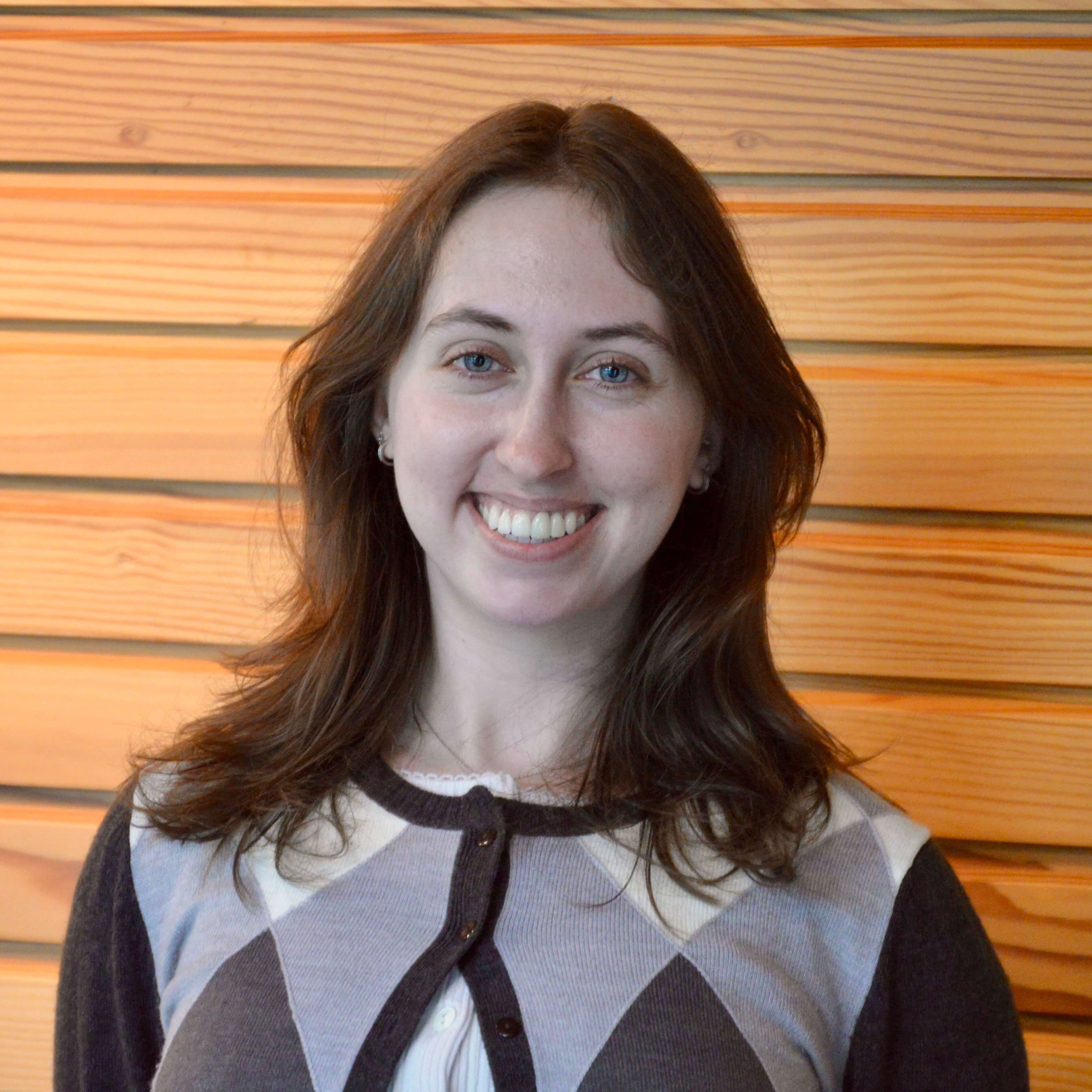
Jess Jordan
Computer Science
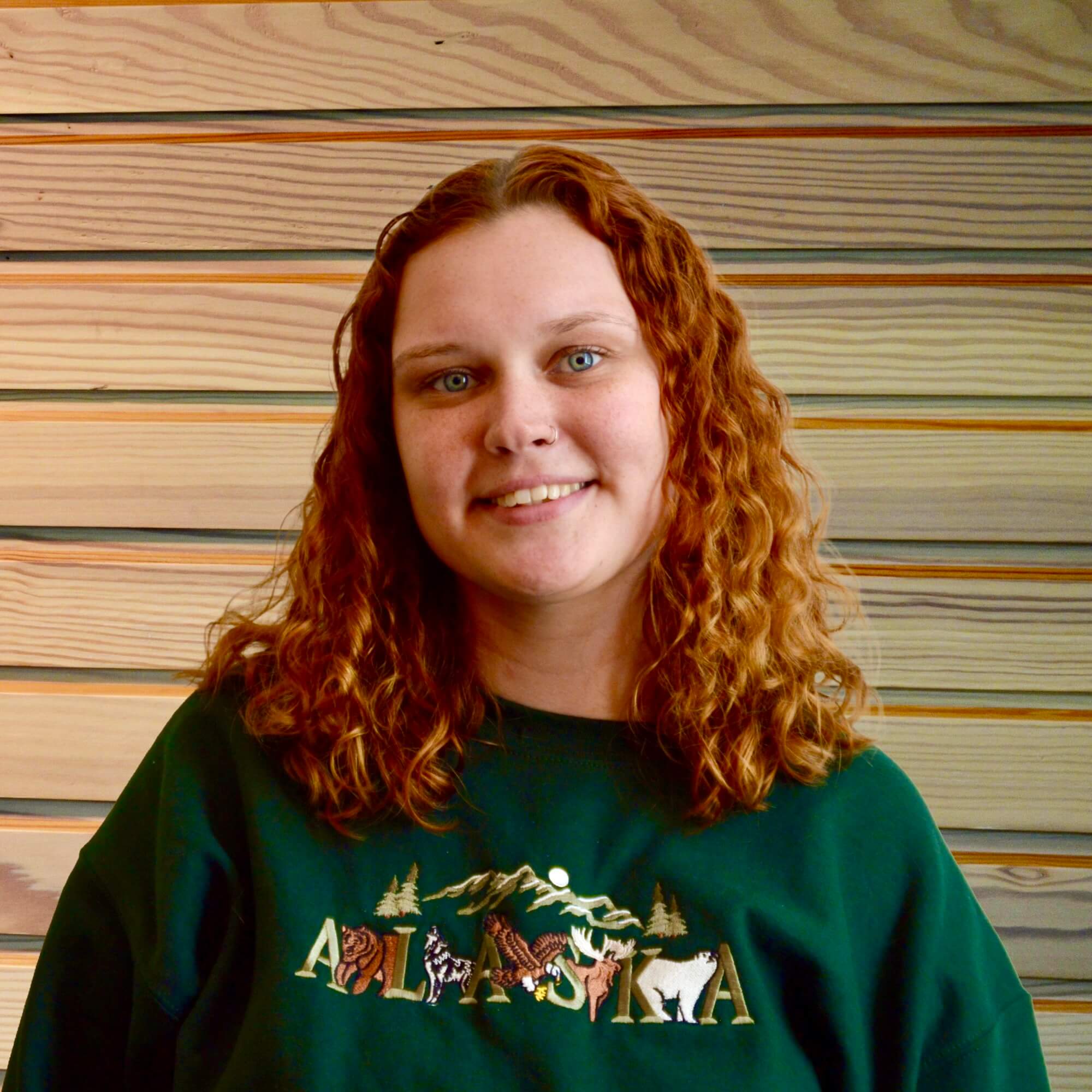
Alexis Kammerling
History
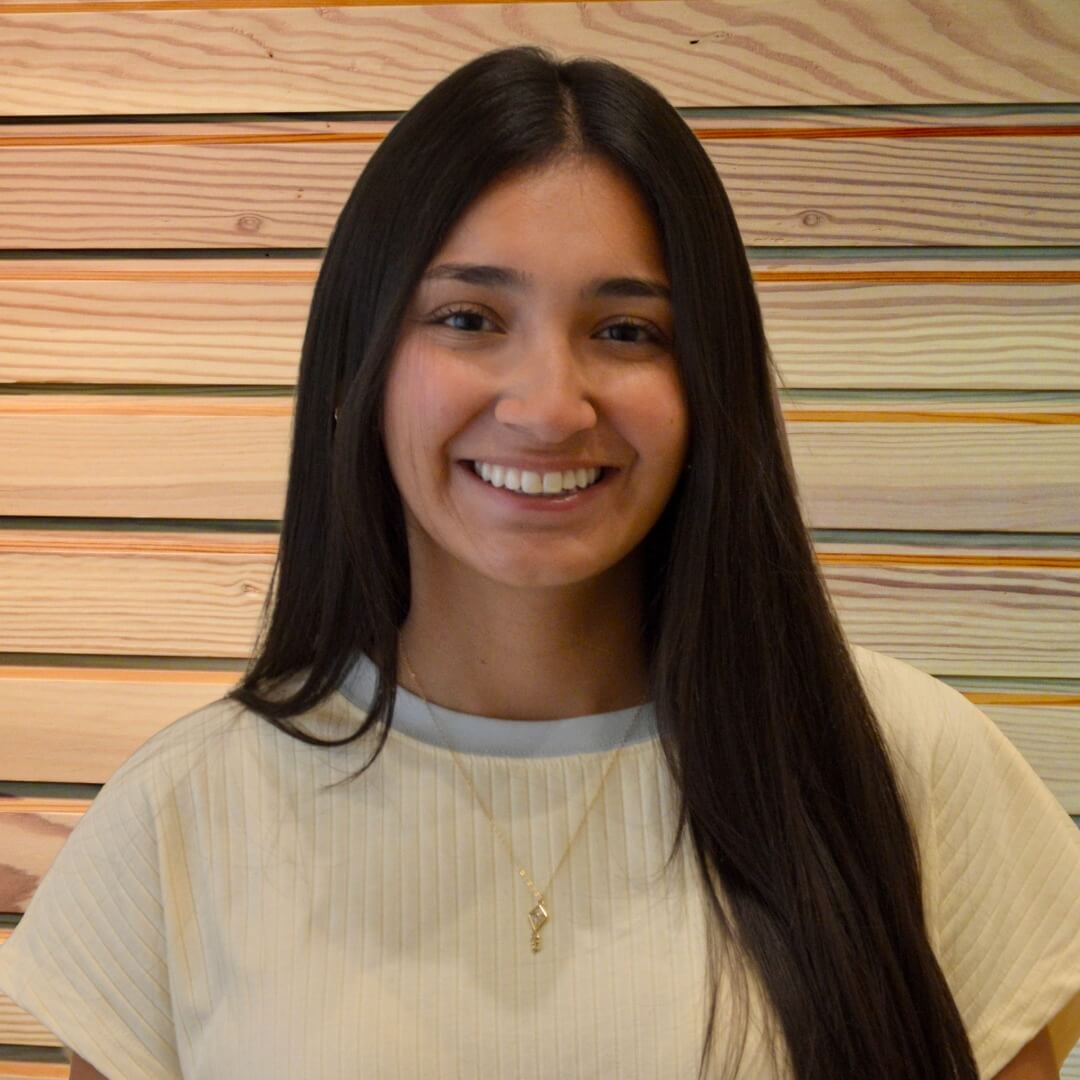
Mariah Luna
Political Science
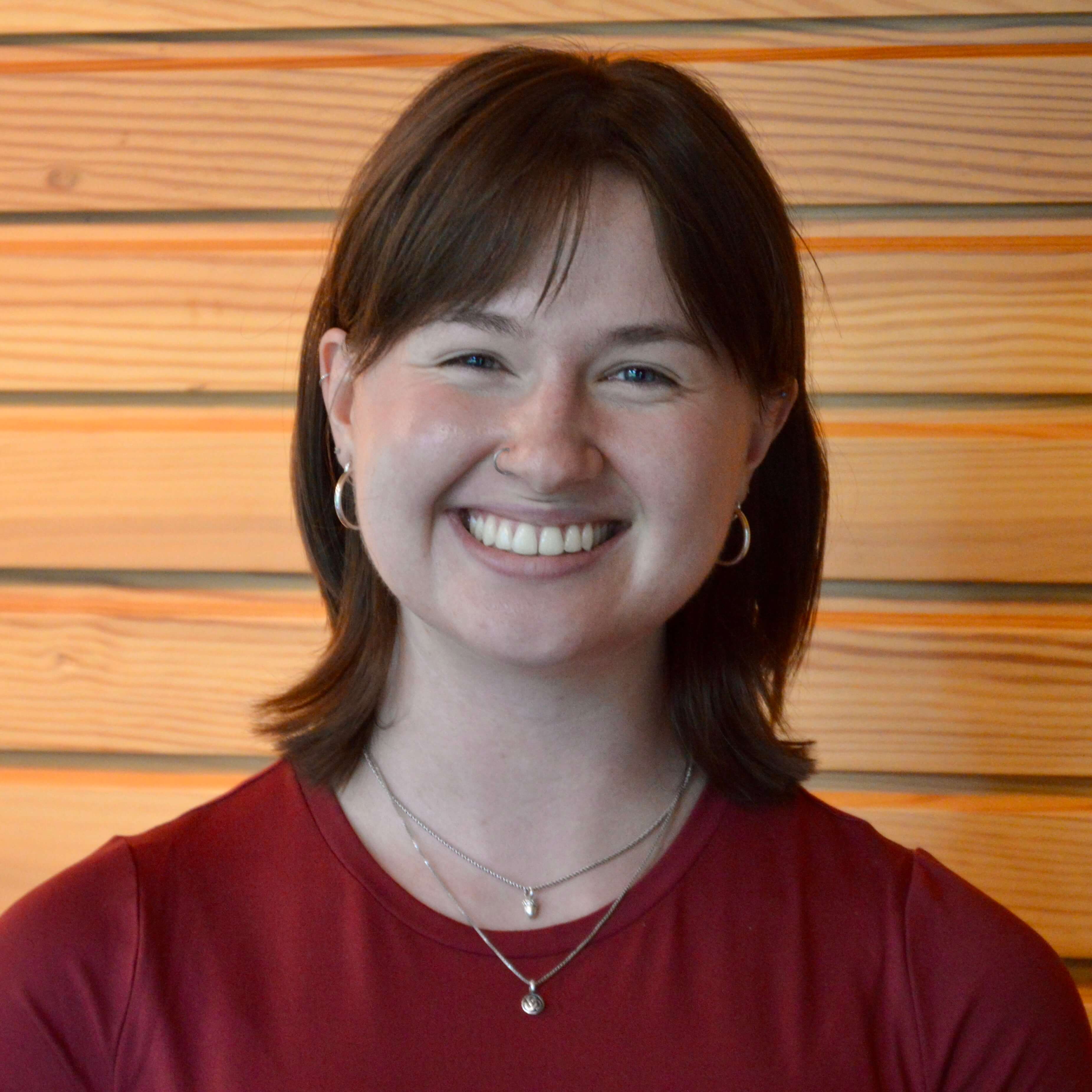
Raechel Meyers
Anthropology
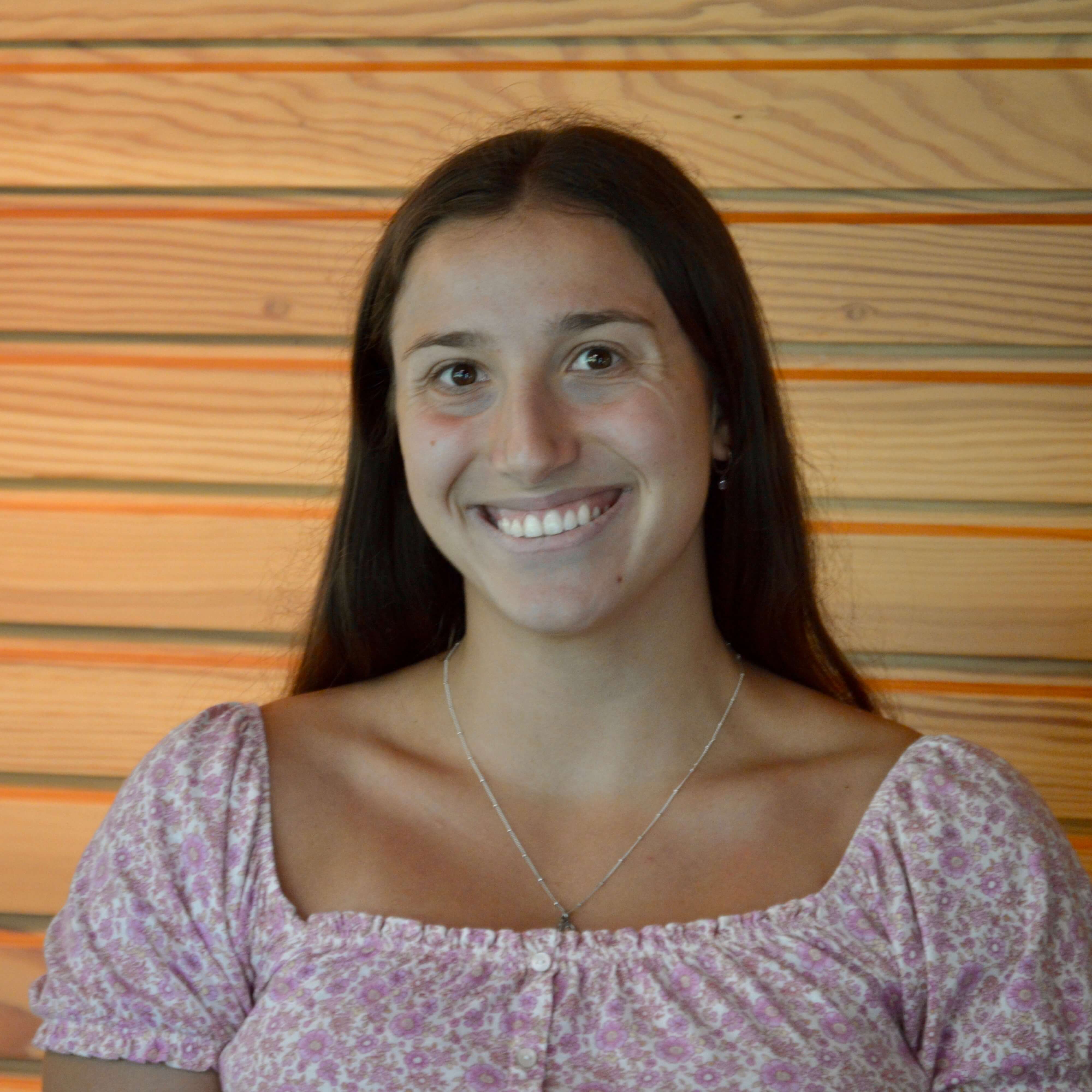
Alexia Monticone
Neuroscience

Aidana Ospanova
Chemistry
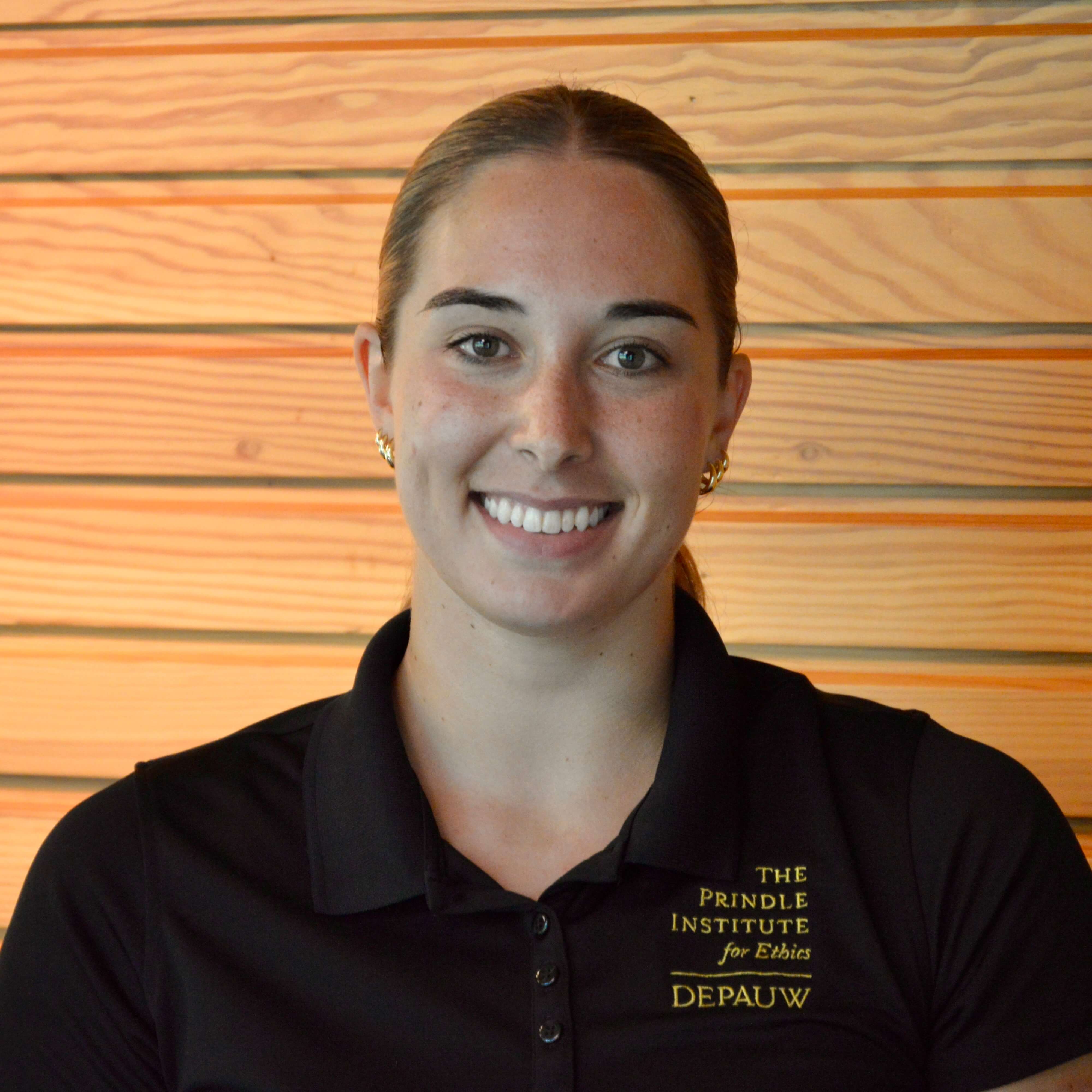
Madeline Ozersky
Kinesiology
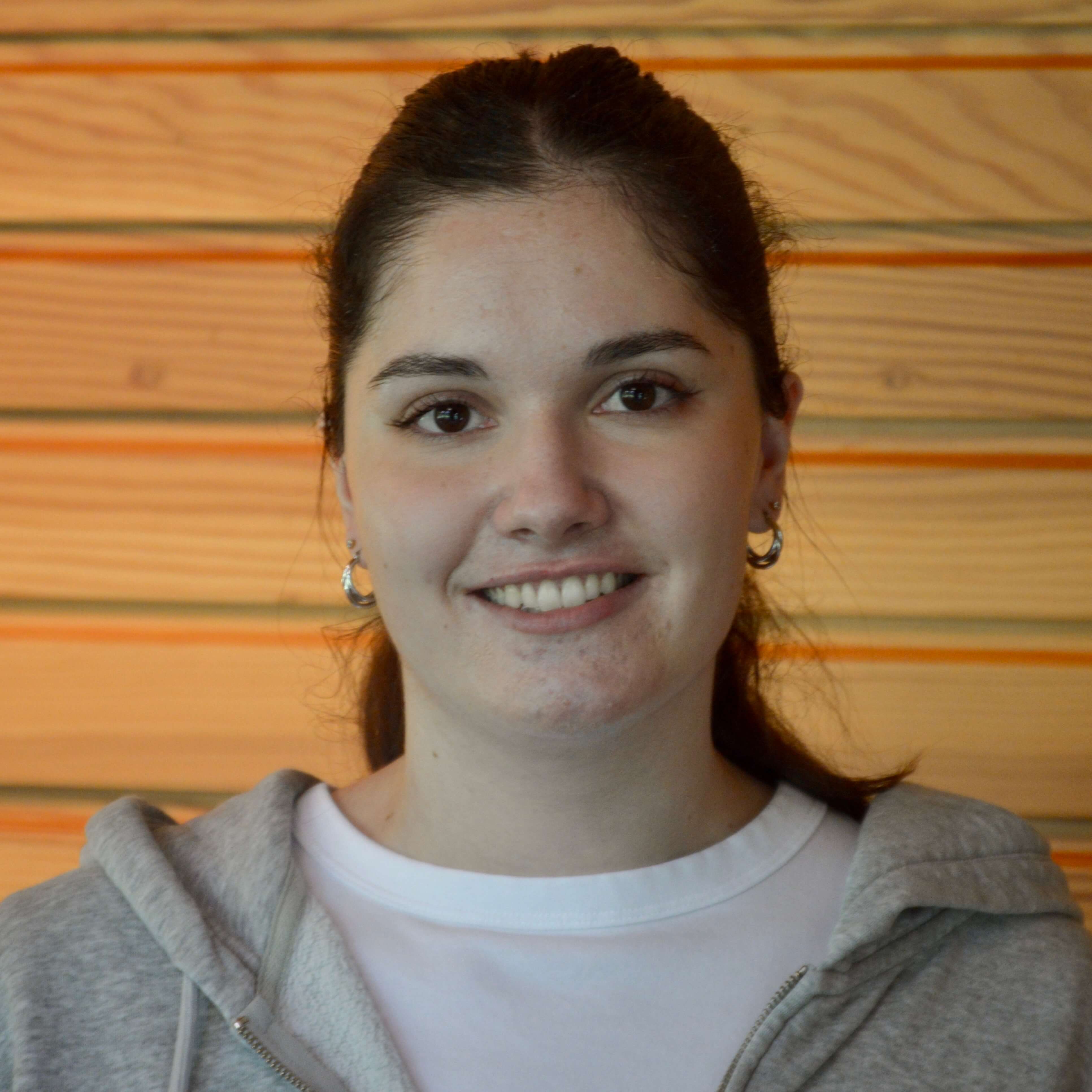
Neli Petric
Economics
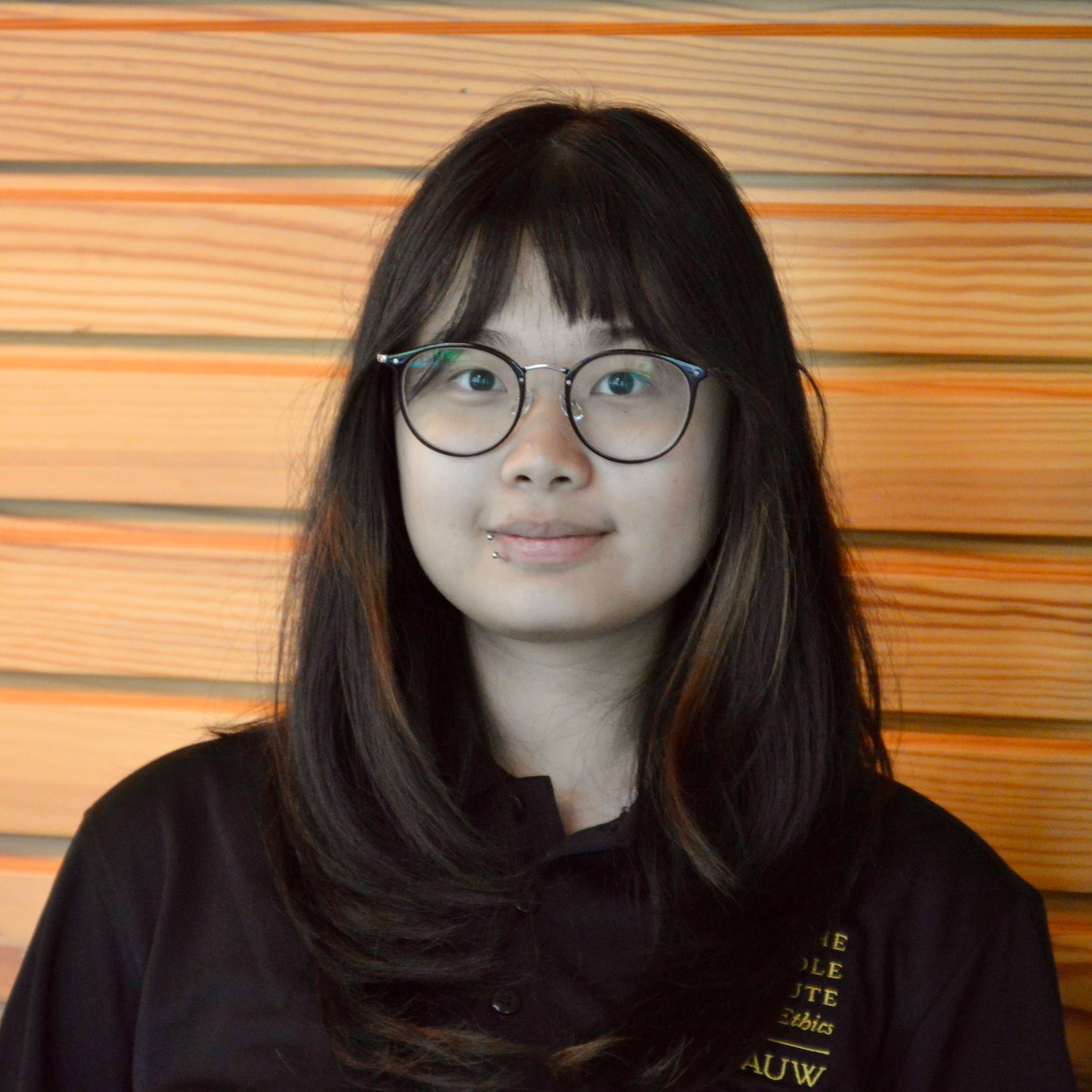
Cat Pham
Philosophy, Politics, Economics
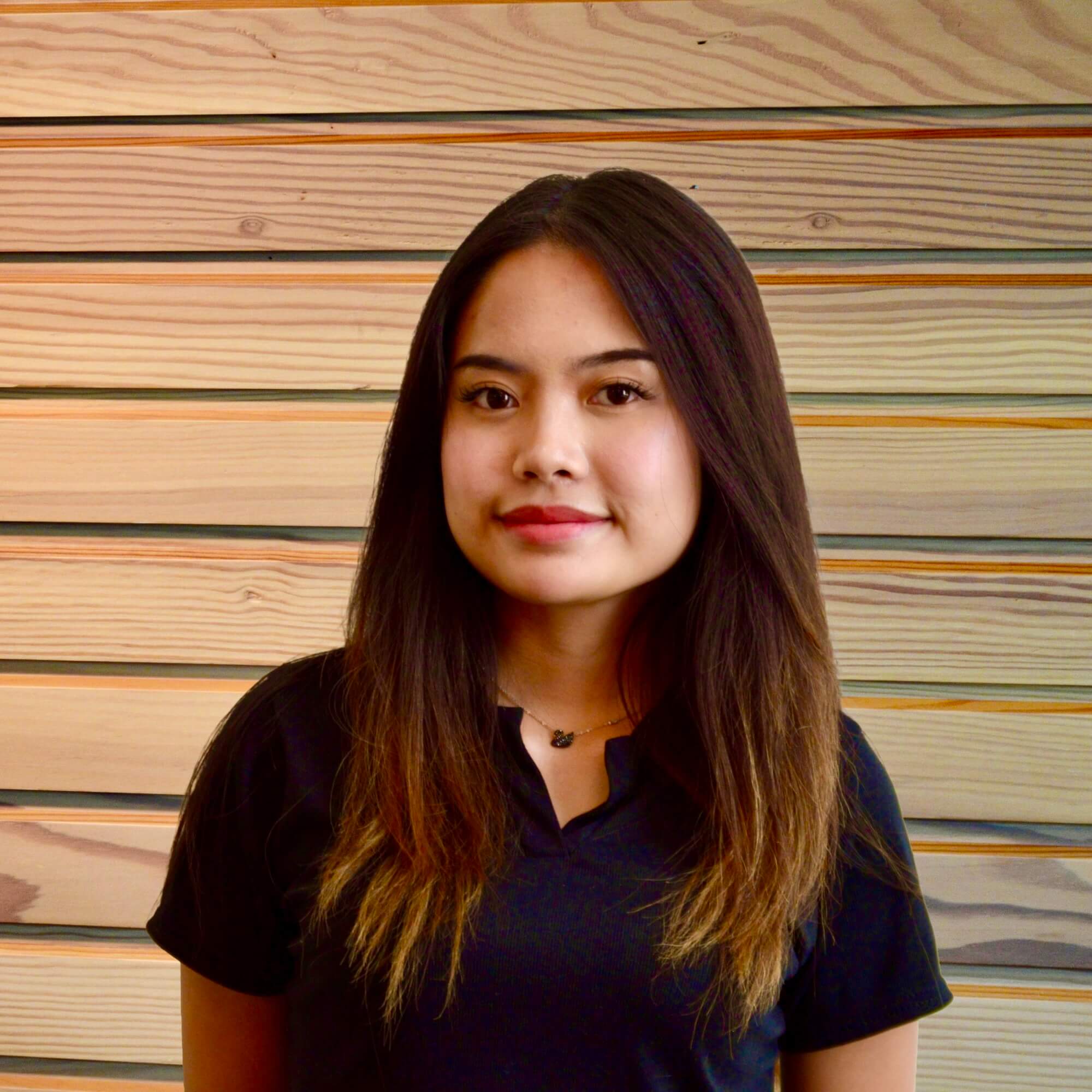
Lisa Pham
Business Analytics
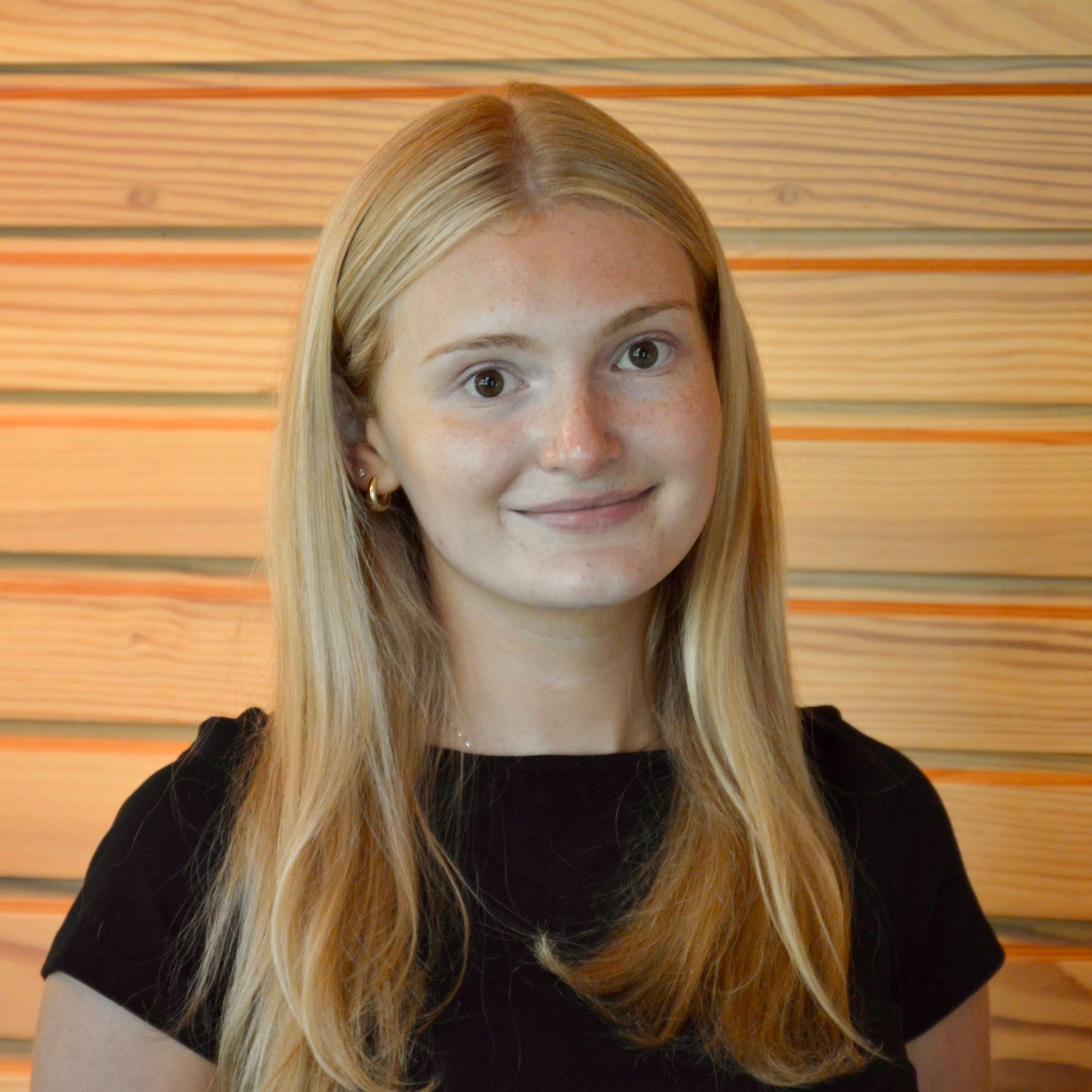
Lauren Prouty
Political Science
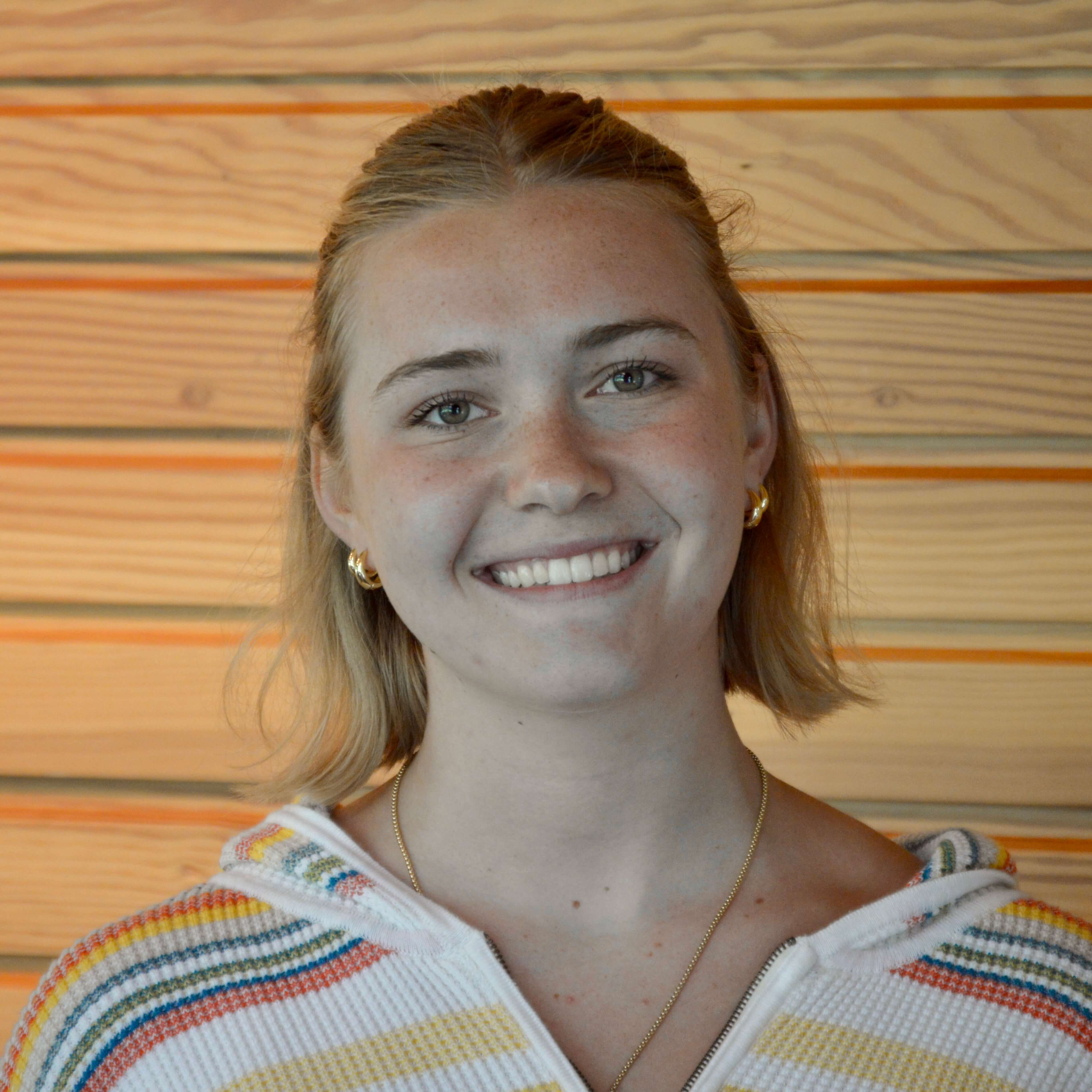
Annika Riepe
Biology
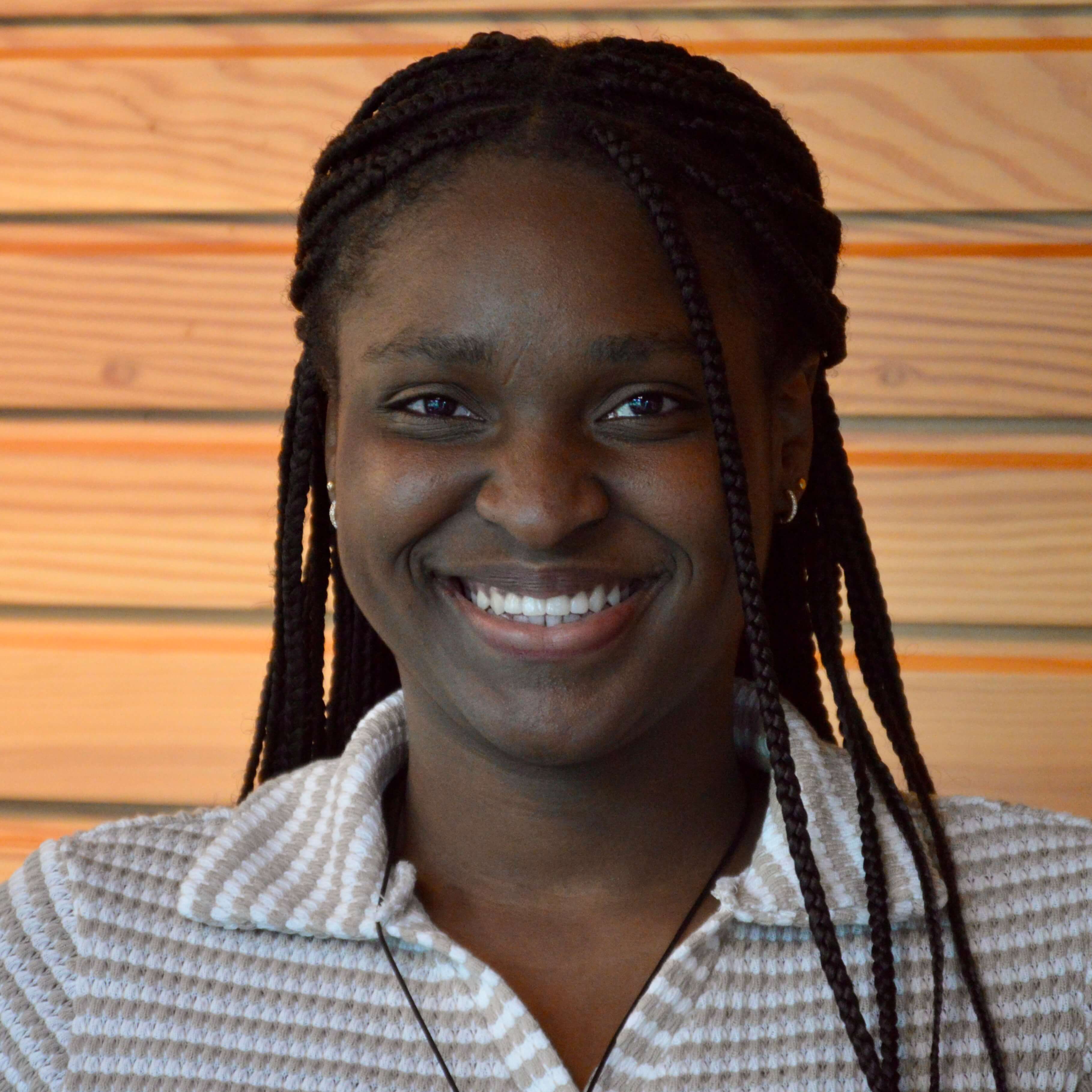
Jodi Robert-Oragbon
Economics
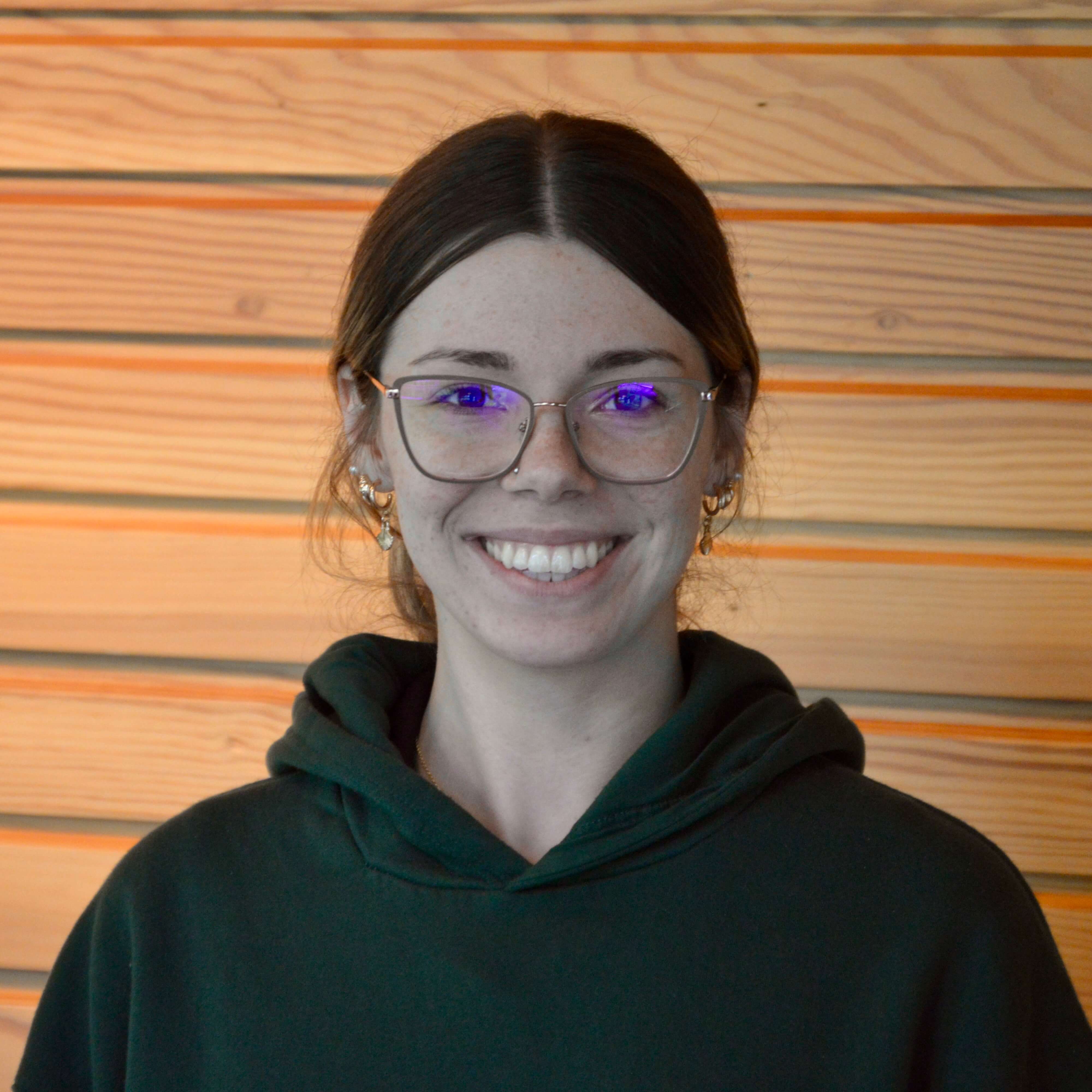
Amelia Roser
Psychology
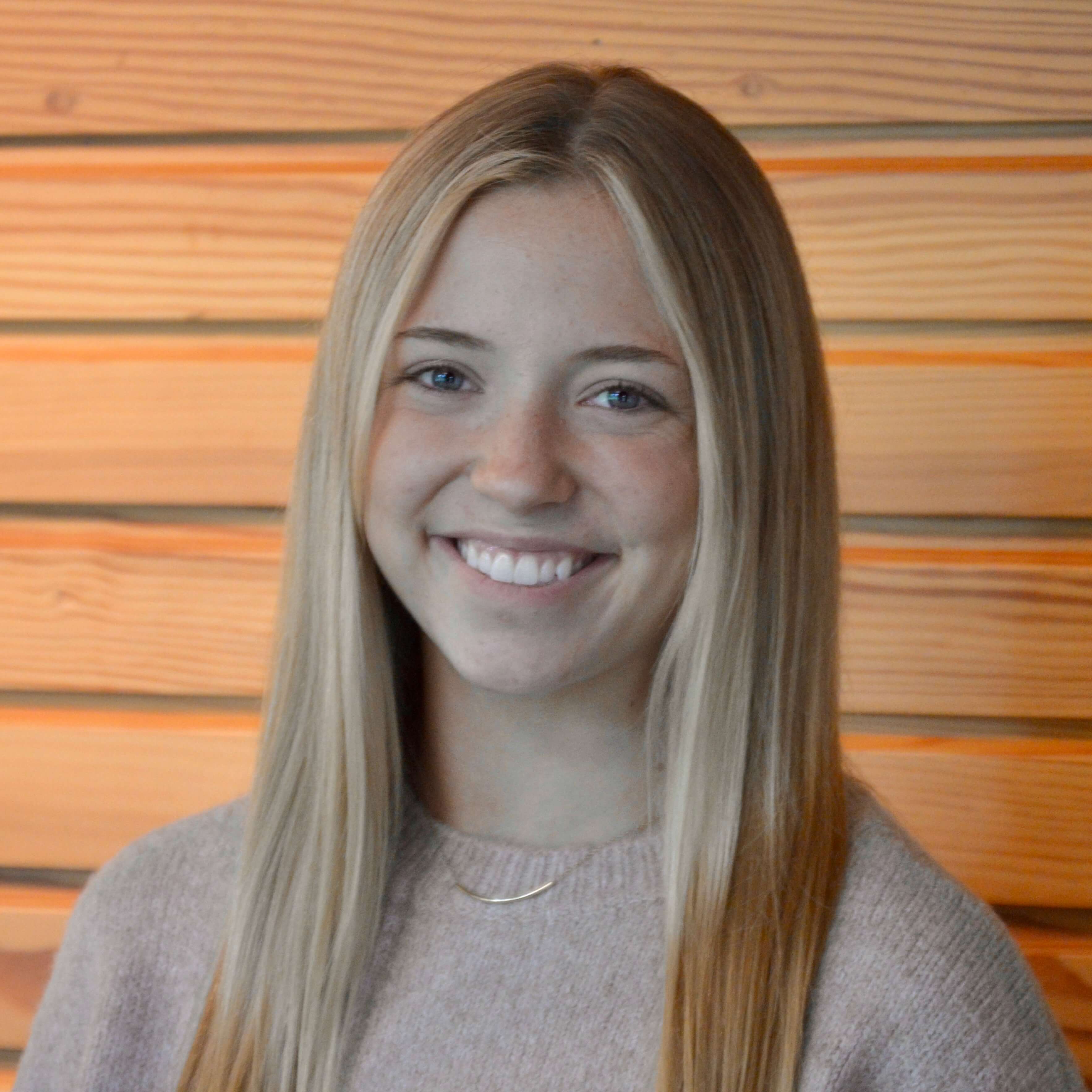
Evelyn Schenck
Finance
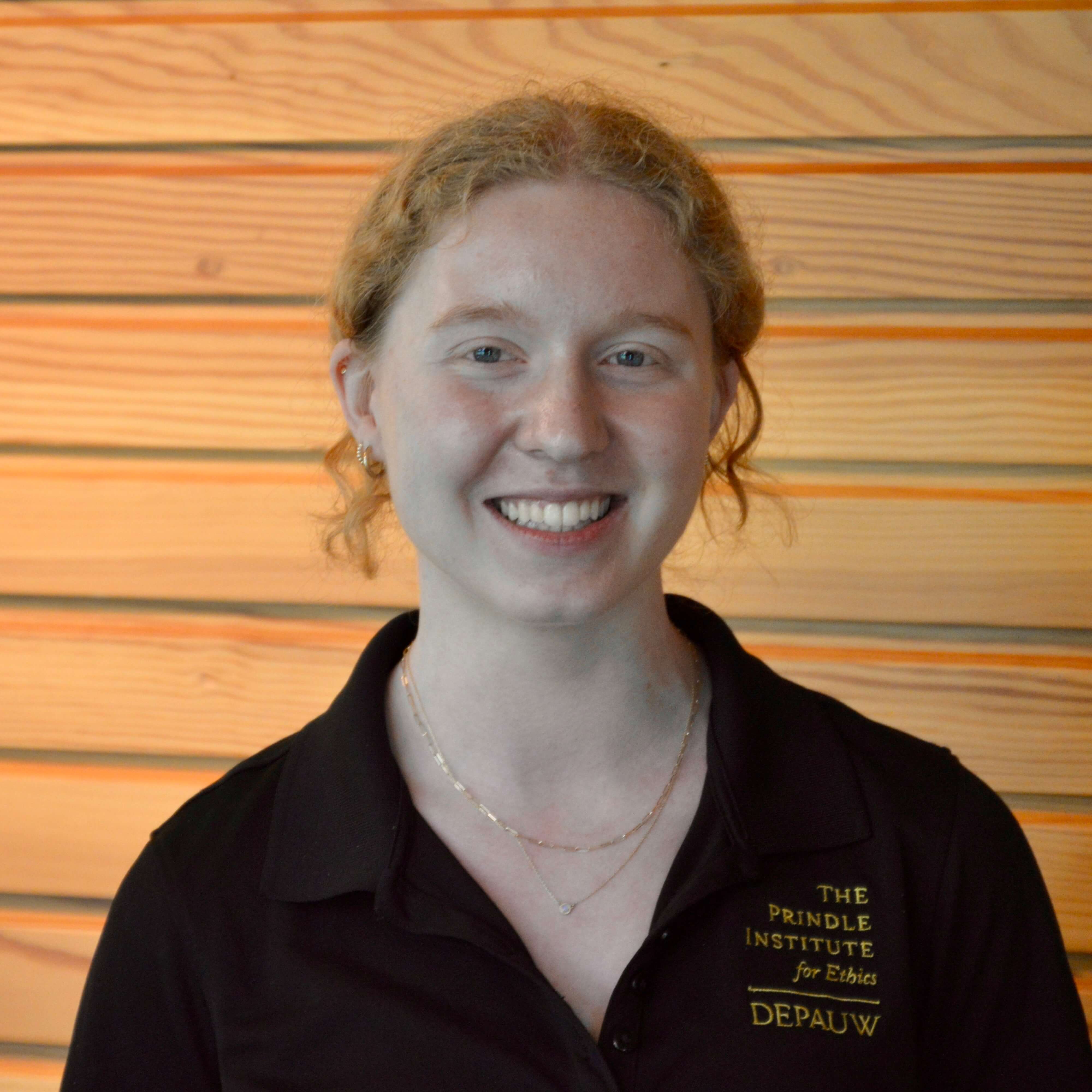
Caroline Soergel
Art History
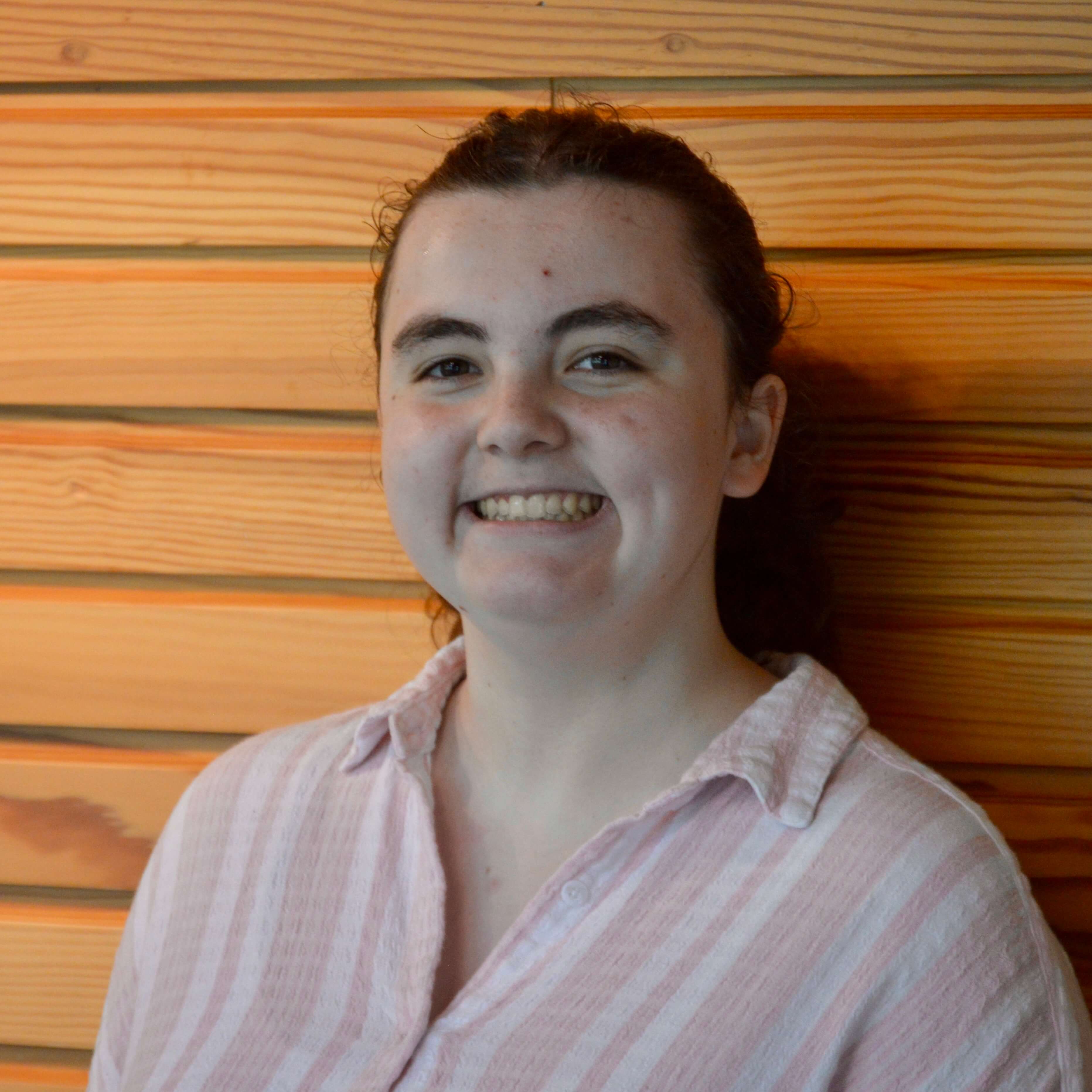
Olivia Stierwalt
Creative Writing

Khanh Han Tran
Psychology
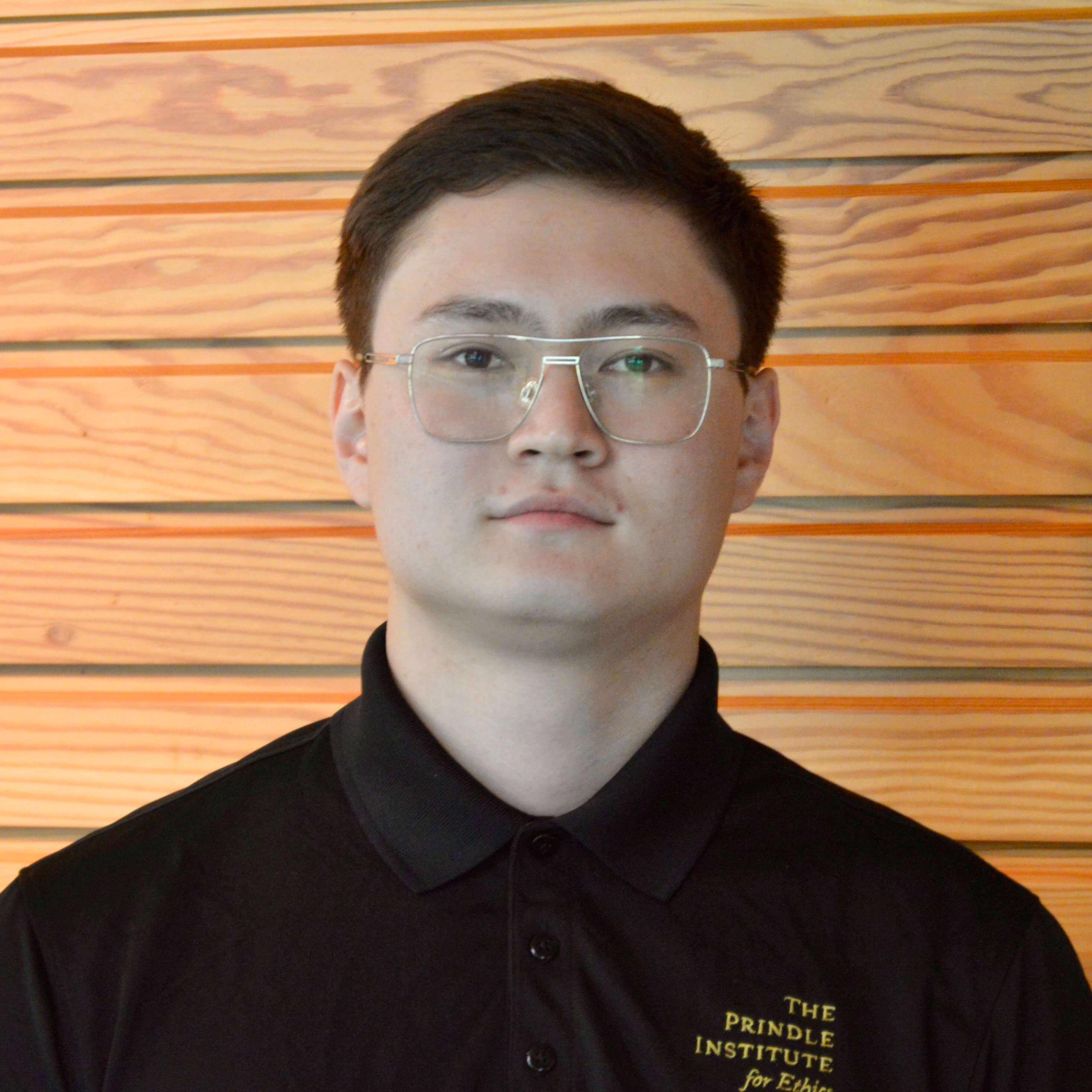
Asset Utegenov
Economics
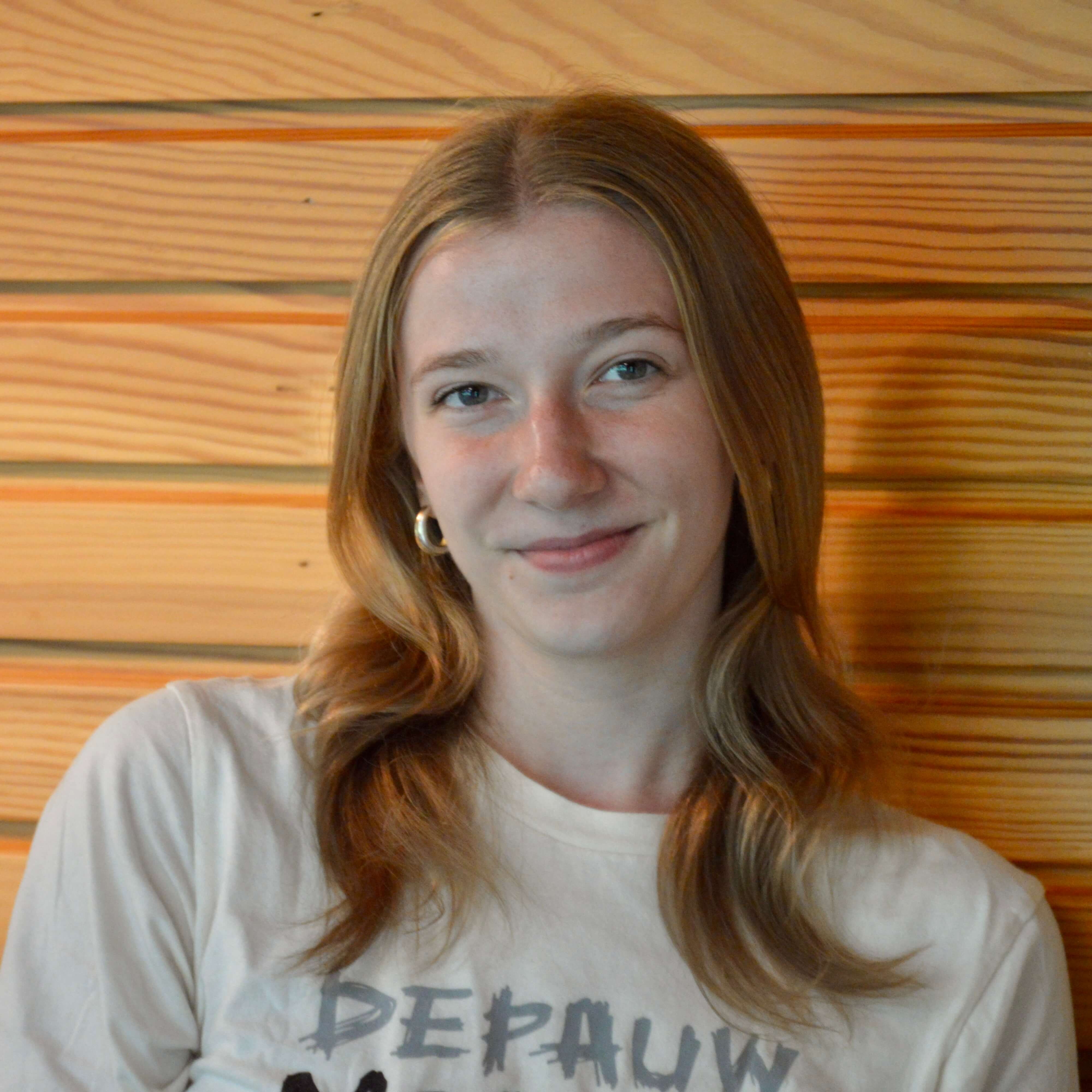
Amelia Ward
Political Science
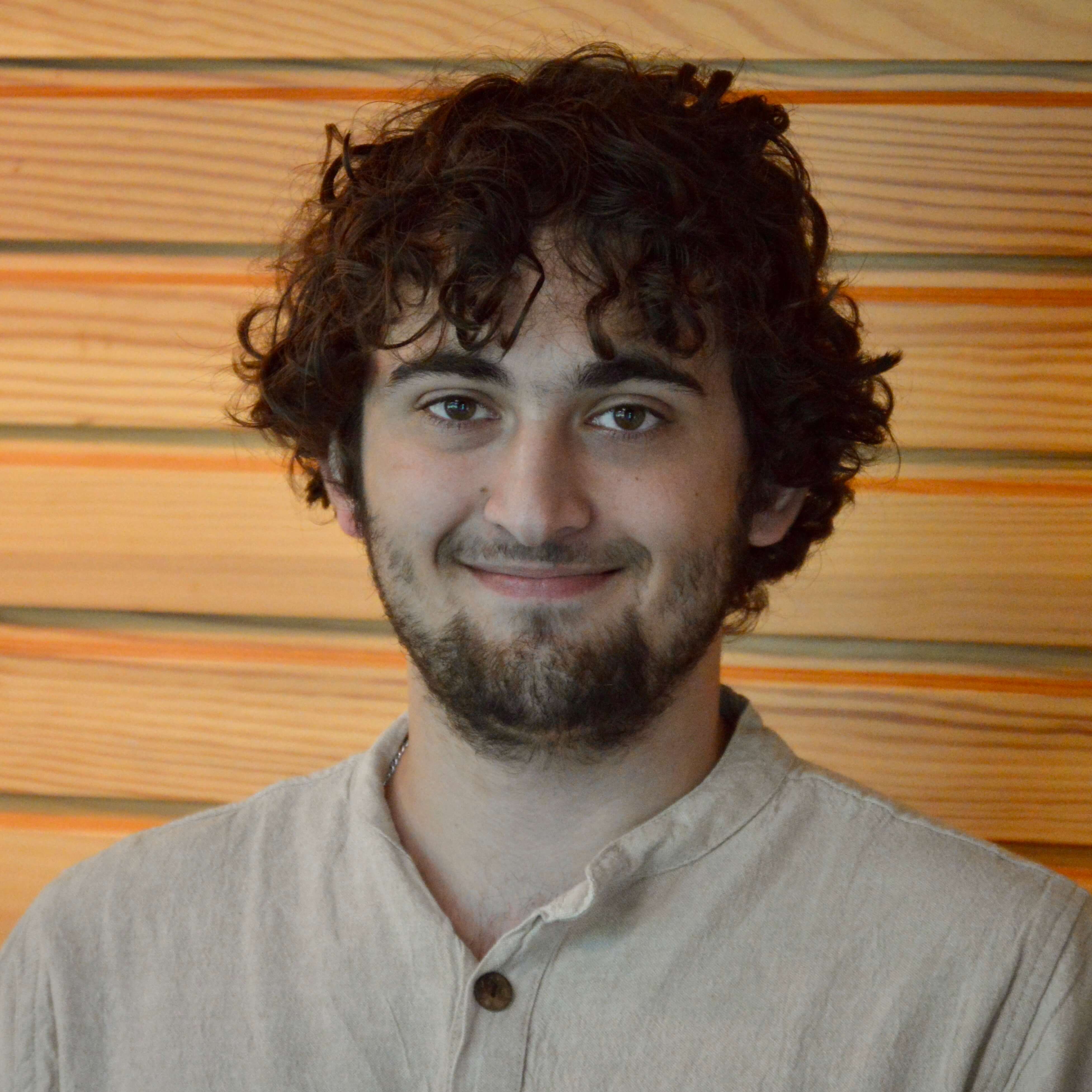
Sam Winkler
Religious Studies
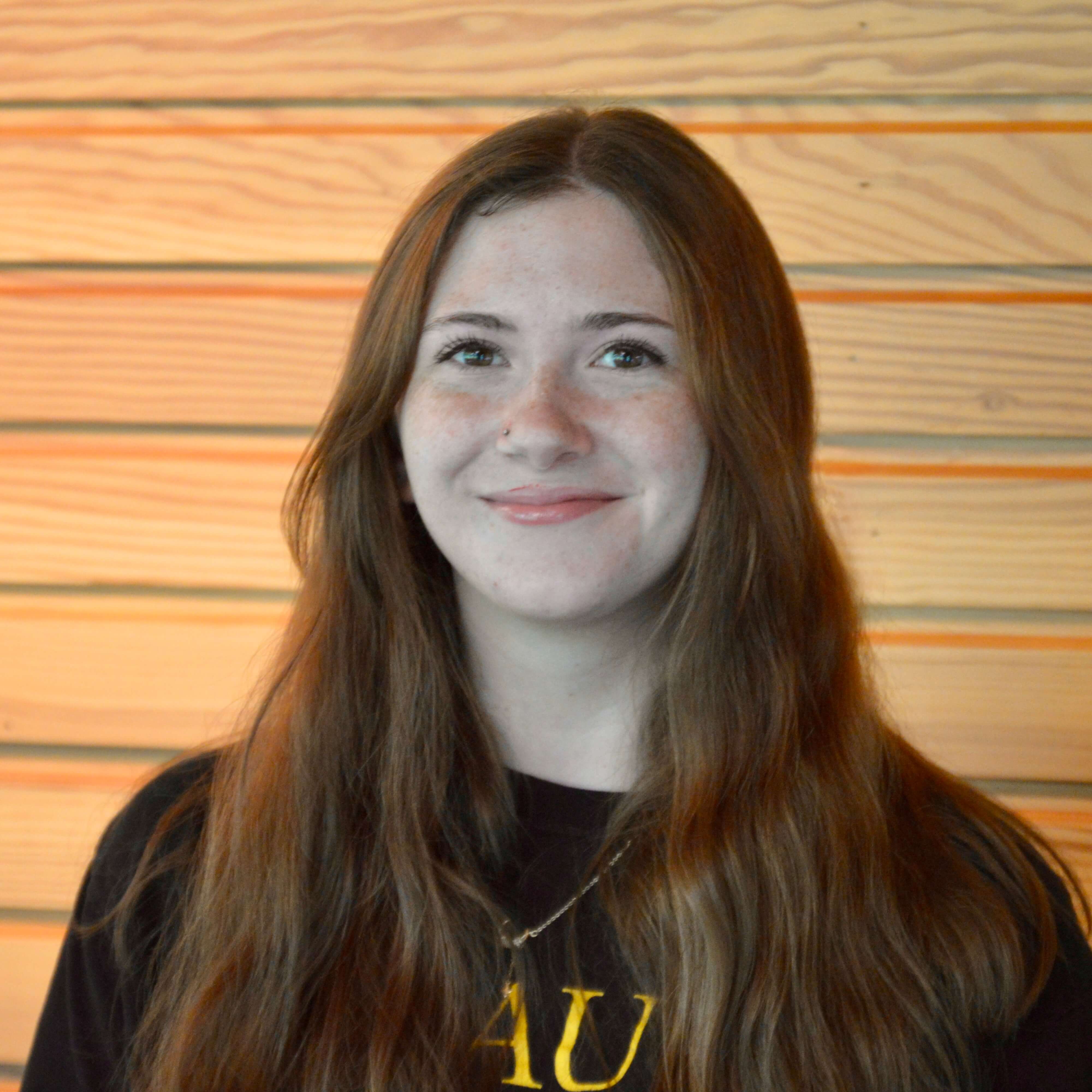
Gabrielle Woehr
Psychology
